
Lightning Link Online Pokies in Australia: The Cabinet Format Behind the Search, and Why the Online Version Is Blocked
Anyone typing “lightning link online pokies australia” into a search box is usually looking for one of three things: a way to play the cabinet game on a phone or laptop, a bonus code attached to the brand name, or a feel for what the hold-and-spin feature actually does once it triggers. Each of those questions has a clean answer. None of them is the answer the marketing pages give.
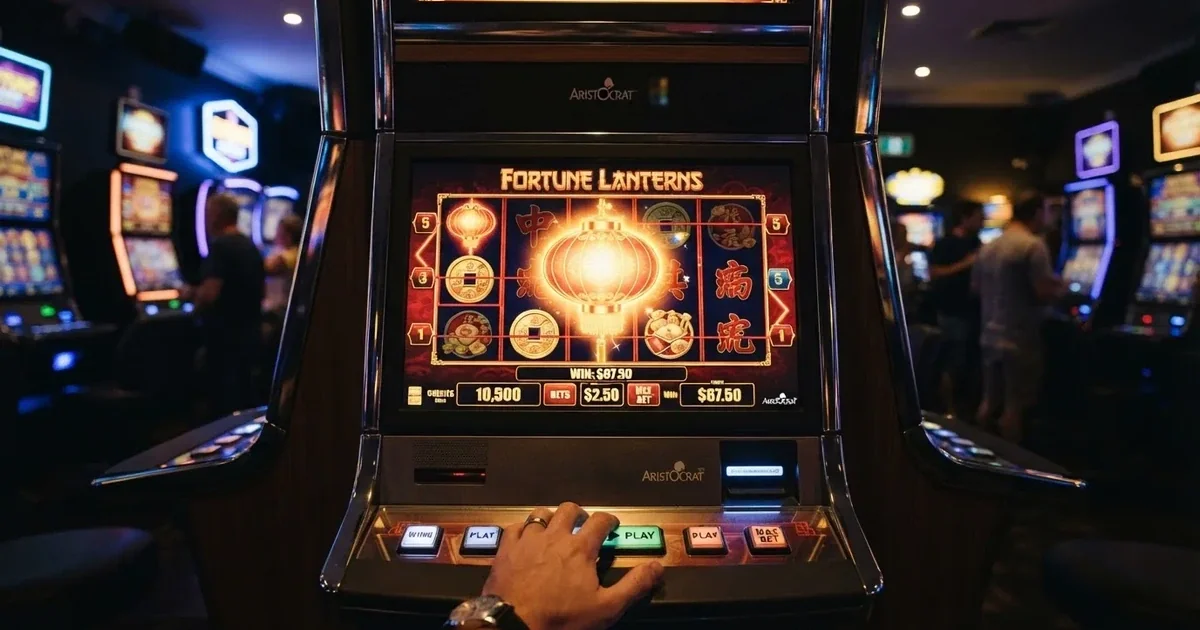
The Lightning Link format was built for a land-based cabinet, sits in pubs and clubs under state-level licences, and is not offered lawfully online to anyone in Australia. The Interactive Gambling Act 2001, as tightened in 2017, makes the supply of online casino games and online pokies to a person physically in Australia an offence. The Australian Communications and Media Authority has spent the years since issuing formal warnings, asking internet providers to block sites, and watching a steady queue of offshore brands cycle in and out of reach. A site advertising Lightning Link to an Australian resident is, by definition, operating on the wrong side of that line.
This page works through the game itself first: how the reel sets differ, what the hold-and-spin bonus actually does, and why a feature designed to extend a session sits inside a strict state-by-state regulatory frame. It then sets out the legal position plainly, the responsible-gambling architecture that applies to legal venues, and the mobile and bonus question as it actually lands for an Australian player. The second half is a frank look at eleven brands the ACMA has formally warned for offering exactly this product to Australians, with the dates and the operators behind them. A blocking-rate calculation shows what six and a half years of ACMA enforcement has actually moved.
Current as of 29 October 2026. Operator names, ACMA warning dates and blocking figures verified against the ACMA’s published register and contemporaneous reporting.
Table of Contents
- The Lightning Link Format: A Land-Based Cabinet Game
- Why Lightning Link Online Is Prohibited in Australia
- Responsible Gambling: What the Architecture Around Legal Pokies Actually Does
- Bonuses, Free Spins and Promo Codes Under the Lightning Link Name
- Mobile and the App Question
- The Featured Brands: Eleven Sites the ACMA Has Acted Against
- The Blocking-Rate Calculation: What Six and a Half Years of ACMA Action Has Moved
- The 2026 Reform: Advertising and Inducements
- Tax, Withdrawals and the Practical Reality of an Offshore Account
- How an Australian Reads the Landscape in Practice
- A Closing Note on the Featured Brands
- Frequently Asked Questions About Lightning Link Online Pokies in Australia
The Lightning Link Format: A Land-Based Cabinet Game
Lightning Link is not a single slot title. It is a family of Aristocrat cabinet games built around a shared mechanic — the hold-and-spin bonus — and sold into pubs and clubs under individual themes. Each theme runs on the same underlying reel-and-bonus engine but uses its own art, symbols and paytable. The themes that travel under the Lightning Link name (Happy Lantern, Magic Pearl, High Stakes, Sahara Gold, Bengal Treasures and the rest) are siblings, not copies.
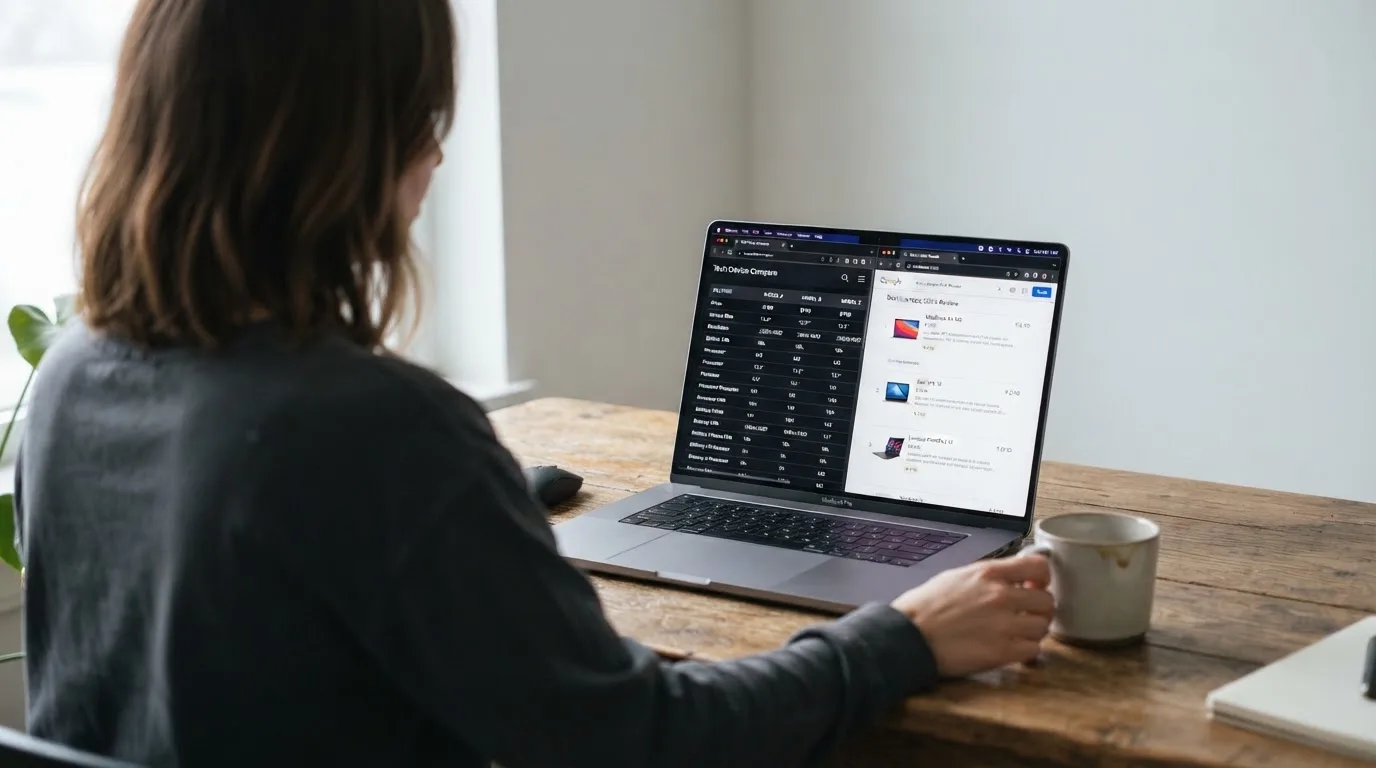
The reason the format travels as one product on a casino floor is the bonus round. A base spin lands six or more pearl, coin or orb symbols anywhere on the reels and the game switches modes: the triggering symbols lock in place, the other reels reset, and the player receives three re-spins to land more of the same. Each new bonus symbol that lands resets the re-spin counter to three and locks too. The round runs until either the full grid is filled or three consecutive spins pass without a new symbol. The visible total climbs with every locked orb, and a “grand” or “major” jackpot sits at the top of a fixed prize ladder attached to the cabinet rather than to any single spin outcome.
That mechanic is the whole point of the format and the reason it dominates floors. It is also the reason it does not translate cleanly to the way an online pokies session is paced. Hold-and-spin is built to extend a session — three spins feels short until you count how often a near-miss almost retriggers it — and the cabinet sits inside a venue where staff, lighting and a closing-time lock-out give a session an external shape. Move the same reel set to a phone with no closing time and the design stays the same, but the container around it disappears.
Minimum Return-to-Player Figures by Jurisdiction
| Jurisdiction | Minimum RTP |
|---|---|
| New South Wales, NT, Queensland | 85% |
| Victoria | 85% (87% Crown Melbourne) |
| ACT and Tasmania | 87% |
| South Australia | 87.5% |
| Western Australia | 90% |
That separation matters at the cabinet level because Australian states set minimum return-to-player figures for gaming machines state by state. The legal minimum ranges from 85% in New South Wales, the Northern Territory, Queensland and (generally) Victoria — 87% at Crown Melbourne — to 87% in the Australian Capital Territory and Tasmania, 87.5% in South Australia, and 90% in Western Australia. A Lightning Link cabinet running in Sydney runs under NSW rules; the same theme running in Perth sits under different approval conditions. Online, no such floor applies because the product is not licensed for online supply at all.
The Hold-and-Spin Feature in Plain Terms
The hold-and-spin mechanic is engineered to keep a player at the machine once it fires. Three re-spins is a small number on paper; in play it stretches because a near-miss — one more pearl landing just outside the grid on the third spin — is a recurring shape. The locked symbols stay visible on every reset and the prize total accumulates with each new symbol. The round only ends when the grid fills (the top “grand” prize, generally a fixed amount set by the venue) or three spins in a row pass without improvement.
For an online player the same engine produces the same experience minus the venue. That is the offer any site advertising Lightning Link to an Australian is making: a slot engine designed for a closed-loop session, delivered in a container with no closing time, no lock-out, and no state-level machine floor.
Why Lightning Link Online Is Prohibited in Australia
Australia’s online-gambling framework is narrower than it looks. The Interactive Gambling Act 2001, amended in 2017 to strengthen enforcement, prohibits the supply of online casino games and online pokies to a person physically in Australia. The list of what is licensable is short: wagering on races and sport placed before the event, lotteries, and keno. Online casino games and online pokies are not on it, in any state or territory.
The law targets the provider, not the player. An offshore operator serving an Australian is the one committing an offence; the person on the other end of the connection is not prosecuted. That detail tends to make the rule feel soft in practice. It is not. The offshore site has no Australian licence, no complaints body to answer to and no obligation to honour a withdrawal. The ACMA can and does ask Australian internet service providers to block the site, which means a balance sitting on a blocked account is a balance the player has no practical route to recover.
What Is Actually Licensed
The wagering services Australians use — Sportsbet, Bet365, Ladbrokes and the rest — are licensed by the Northern Territory Racing and Wagering Commission, which regulates fifty-two online bookmakers for tax reasons. The commission itself is small: no full-time staff, meetings once a month in Darwin. The licence the bookmakers hold is a wagering licence, not a casino licence. None of those fifty-two operators offers online pokies under it, because none of them lawfully could.
Online lotteries run under state-level product licences. Keno sits inside the same frame. None of these is an online casino product. The slot cabinet, the hold-and-spin engine and the table-game floor all sit outside what the IGA permits an Australian-licensed operator to provide over the internet.
The Penalty for the Provider
Formal warnings are the ACMA’s first move. A formal warning is a published document, naming the operator and the brand, and it is the regulator’s way of putting a marker on the file before escalating. A site that ignores a warning can be referred for blocking: the ACMA asks Australian internet service providers to add the domain to a block list, and within days the site stops resolving for the great majority of Australian residential connections. As of June 2026 the ACMA had asked for 1,751 illegal gambling and affiliate sites to be blocked since the first blocking request in November 2019, and more than 230 unlicensed services had withdrawn from the Australian market since enforcement was strengthened in 2017.
Payments and the 2024 Credit-Card Ban
A practical test for whether a site is operating inside Australian rules sits in the cashier. Since 11 June 2024 licensed Australian wagering services have been banned from accepting credit cards, credit-related products and digital currency for online wagering. The legal deposit routes are debit card, bank transfer, PayID/Osko and BPAY. Penalties for a licensed operator accepting the wrong payment method run up to A$247,500.
A site offering Lightning Link to an Australian and asking for a credit card or a crypto deposit is, on that one fact alone, not running inside the Australian framework. The payment rule and the supply rule point in the same direction.
Responsible Gambling: What the Architecture Around Legal Pokies Actually Does
Lightning Link sits inside a responsible-gambling architecture that exists only because the cabinets sit in physical venues. The architecture is state-run, partly because the cabinets are state-licensed, and it is built around two pillars: a player-imposed pre-commitment and a venue-imposed closing time. Both work less well the moment the same game moves online.
BetStop and Pre-Commitment
BetStop, the National Self-Exclusion Register, has been live since August 2023. A person who registers with BetStop is excluded from every Australian-licensed online and phone wagering service. The exclusion periods run from a minimum of three months up to a permanent ban, and the licensed operators are bound to enforce them. The mechanism is what a self-exclusion scheme is supposed to be: registration is a single act, coverage is industry-wide, and a banned account cannot be reopened early.
BetStop covers wagering, not offshore casino. An Australian who has registered and then opens an account with an offshore casino offering online pokies is not protected by the registration against that account — the operator is not connected to the register and has no obligation to check it. The exclusion does what it is designed to do, inside the perimeter it is designed to cover. Outside that perimeter the player has only their own tools.
Time Limits and the Hold-and-Spin Shape
State-level harm-minimisation measures in NSW and Victoria set mandatory time and spend reminders on cabinet play. Tasmania passed legislation in November 2021 to introduce mandatory pre-commitment cards, originally intended to lead the country, though implementation was delayed until late 2025. None of these mechanisms sits inside an offshore online product. A hold-and-spin round that fires on an offshore slot has no closing time, no staff member to ask a player to take a break and no machine-side reminder at ninety minutes.
For a player who treats pokies as a session of fixed length the right setting is a land-based venue with the venue’s lock-out behind the session, or an online wagering account under BetStop. For a player who wants to set their own time limit on a phone, the setting that respects that limit is one that lets the limit be enforced — which is not what an offshore casino offers.
Where to Get Help
The National Gambling Helpline on 1800 858 858 is free, runs 24 hours and connects a caller to the relevant state service. Chat is available through Gambling Help Online. The line is for people who feel their own play is moving away from them and for the people around them. It is independent of every operator named on this page.
Bonuses, Free Spins and Promo Codes Under the Lightning Link Name
A search for Lightning Link bonuses, free spins or promo codes will turn up affiliate pages listing offers tied to the brand name. Read them with two facts in mind.
The hold-and-spin mechanic is the same regardless of theme. A bonus spin on Happy Lantern behaves like a bonus spin on Magic Pearl: six triggering symbols lock, the reels reset, three re-spins begin and the prize ladder on the active theme fills as the grid fills. The theme changes the art and the prize amounts; the engine does not change. A promo code tied to the brand runs against that engine, not against any single cabinet configuration.
The offer sits on a site that the ACMA has acted against. Every bonus-spin page, every “free play” tile and every promo-code box that surfaces in an Australian search is attached to a brand that does not hold an Australian licence and has been the subject of at least one ACMA formal warning in the period covered by this page. The bonus is the marketing wrapper; the regulatory position is the same as for any other product on the same site.
What a Bonus Actually Costs
A bonus that requires wagering before withdrawal is a contract. Read the wagering multiple first: that figure tells you how many times the bonus amount must be turned over before any balance is withdrawable. A thirty-times wagering requirement on a A$100 bonus means A$3,000 of stake must pass through eligible games before the bonus and any winnings from it can be taken out. A forty-times figure on the same bonus means A$4,000. The slot’s return-to-player sits inside that stake flow: at a 95% return the expected loss over A$3,000 of spins is A$150, and over A$4,000 it is A$200. The marketing number and the arithmetic do not always line up.
Maximum Cashout Caps
A “max cashout” clause caps what the player can actually withdraw from a bonus win, even after wagering is complete. A A$100 bonus with a ten-times max cashout lets the player walk away with no more than A$1,000 from bonus-derived funds, no matter what the reels produced. The cap is the difference between a feature that pays for the day and one that does not, and it is the clause most often buried at the bottom of the terms page.
Mobile and the App Question
There is no official Lightning Link app. Aristocrat’s cabinet games are sold into venues, and the same company has not licensed a Lightning Link app for Australian consumers. Every app claiming to run Lightning Link pokies on a phone is, by definition, offering an unlicensed product.
What an App Actually Does
A Lightning Link app offered through a search ad or an affiliate page is one of three things: a free-play simulator with no real-money component, a skin over an offshore casino that streams the same reel sets a desktop browser would, or a wrapper around an unrelated slot themed to look like the cabinet game. The first is harmless. The second is the same offshore product as the desktop version, packed into a phone-shaped container. The third is a copy with no connection to Aristocrat at all.
Why the Container Changes Nothing
A hold-and-spin round inside a phone app behaves the same way as one on a desktop. The reel set, the bonus trigger, the prize ladder and the time the round runs are identical. What an app does not add is any of the protections the legal frame around the cabinet provides: no venue closing time, no state-level machine settings, no machine-side reminders, no connection to BetStop. The product is the same product, offered outside the same frame.
Safe Alternatives for a Mobile Player
For an Australian who wants to play on a phone, the legal options are the licensed wagering apps — Sportsbet, Bet365, Ladbrokes and the rest — which run under NT wagering licences and offer sports and race betting, not casino games. These apps connect to BetStop, accept only the permitted payment methods, and operate under the consumer-protection regime Australian law provides. They do not offer online pokies, because they lawfully cannot. A player who wants Lightning Link specifically is looking for a product no Australian-licensed app is permitted to provide.
The Featured Brands: Eleven Sites the ACMA Has Acted Against
What follows is not a ranking. It is a record. Each of the eleven brands below has been the subject of a formal warning from the Australian Communications and Media Authority for offering prohibited online gambling services to Australians, including online casino games and online pokies under names such as Lightning Link. The list follows the order in which the ACMA’s formal warnings were issued and updated.
The purpose of the table is to show, in one place, what the regulator has actually named, when it named it, and what the operator behind the brand is. A reader comparing any of these against an Australian-licensed wagering service is comparing an unregulated offshore product against a regulated one. The comparison is the point.
Landscape of ACMA Formal Warnings Over Featured Brands
| Brand | ACMA action and date | Operator named by the ACMA | Subject support |
|---|---|---|---|
| Sky Crown | Formal warning, September 2022 | Hollycorn N.V. | — |
| Level Up Casino | Formal warning, May 2022 | Dama N.V. | listed on third-party game directories as carrying Lightning Link titles |
| Bizzo Casino | Formal warning, July 2025 (earlier 2022 warning to TechSolutions) | Consolutetish S.R.L. | — |
| Casino Intense | Formal warning, April 2025 | Sterplay Holding Ltd | listed on third-party game directories as carrying Lightning Link titles |
| National Casino | Formal warning, July 2025 | Consolutetish S.R.L. | listed on third-party game directories as carrying Lightning Link titles |
| Ignition Casino | Formal warning, July 2025 | Bamboo Media | — |
| Woo Casino | Formal warning, March 2025 | Dama N.V. | — |
| Spirit Casino | Formal warning, May 2025 | Dama N.V. | — |
| Instant Casino | Formal warning, February 2025 | EOD Code SRL | — |
| Jackbit | Formal warning, April 2026 | Ryker B.V. | — |
| RocketPlay | Formal warning, March 2026 (earlier May 2022 warning to Dama N.V.) | Pulsup Ltd | — |
A few patterns sit behind the table. Dama N.V. appears three times: Level Up Casino in 2022, Woo Casino in March 2025 and Spirit Casino in May 2025. The ACMA issued its warning over Woo Casino in March 2025 and followed it two months later with the Spirit Casino warning, both to the same Curaçao-registered operator. Consolutetish S.R.L. appears twice in the same July 2025 round, covering National Casino and Bizzo Casino. Bizzo Casino had previously been warned in 2022, when the operator was TechSolutions; the brand changed hands and the regulator followed.
Three of the eleven brands — Level Up Casino, National Casino and Casino Intense — surface on third-party game directories as carrying Lightning Link titles under their own rosters. The other eight do not list Lightning Link on the directories the research looked at. That asymmetry matters less than it appears: every brand on the list offers online casino games to Australians, and the only legal requirement for “Lightning Link online pokies” to be unlawful in Australia is that online casino games be offered to an Australian at all. The presence or absence of the brand name on a directory is a marketing fact, not a regulatory one.
RocketPlay
The ACMA’s most recent formal warning over RocketPlay went to Pulsup Ltd in March 2026, after an earlier May 2022 warning to Dama N.V. covering RocketPlay among six brands. The same operator-group family has cycled through this brand name twice, which is what the record shows when a regulator acts against a brand rather than the company behind it: the brand closes, the company opens another, and the regulator works its way through the new name. RocketPlay is the current name on the file.
A player reaching the RocketPlay site from an Australian connection will see the casino’s full reel roster, including Lightning Link titles, and the standard offshore cashier. The cashier will not show PayID, BPAY or an Australian-licensed deposit route. It will show a credit card or a crypto option, both of which are banned as payment for Australian-licensed wagering and which signal that the cashier sits outside the Australian framework. The page is not a recommendation. It is a description of what the brand is and what the ACMA has said about it.
Level Up Casino
Dama N.V. was the operator named in the May 2022 ACMA warning over Level Up Casino. Third-party game directories list the brand as carrying Lightning Link titles under its roster. Level Up’s appeal, on the marketing side, has been a heavy welcome package and a wide slot catalogue — exactly the kind of pitch designed to convert an Australian search for “lightning link online pokies” into a deposit. The pitch is the part of the product the regulator acts against, not the part the player sees first.
The verdict here is the verdict the regulator has already issued: a brand the ACMA named in a formal warning, operating under an offshore licence that does not authorise Australian play, carrying the very cabinet format Australian law prohibits online.
Woo Casino
The March 2025 ACMA warning to Dama N.V. covered Woo Casino, two months before the same operator was warned over Spirit Casino. The two warnings, eight weeks apart, show the regulator working through a Curaçao operator’s stable one brand at a time. Woo Casino’s marketing had leaned on pokies tournaments and a fast-payout pitch aimed at the Australian market.
The brand is part of the pattern this page is built around: a name that surfaces in an Australian search, a deposit page that accepts the payment methods no Australian-licensed operator is allowed to take, and an ACMA file dated within the past two years. None of those facts individually proves anything; together they describe what an Australian player is looking at when they find the site.
Spirit Casino
Dama N.V., May 2025. Spirit Casino sits in the same operator family as Woo Casino and Level Up Casino, and the three warnings tell the same story three times: Dama N.V. holds an offshore licence, runs a stable of brands, and each brand surfaces in Australian searches for casino games. The ACMA has now named three of them. A fourth is, statistically, a question of when.
National Casino
Consolutetish S.R.L., July 2025. National Casino is one of two brands covered in the same ACMA round, with Bizzo Casino named alongside it under the same operator. Third-party directories list the brand as carrying Lightning Link titles. The brand’s appeal, on the surface, is a layered VIP scheme and a wide game library. Underneath, the operator is one the regulator has now formally warned, and the casino’s product is the prohibited supply the warning describes.
Bizzo Casino
Consolutetish S.R.L., July 2025 — the second of the two brands covered in the same round, with an earlier 2022 warning to TechSolutions (CY) Group Limited and TechSolutions Group N.V. over the same brand. The brand has changed hands since the first warning and the regulator has followed it. The pattern is unusual only in being well-documented: a brand warned, a brand sold, the same brand warned again under the new owner. The lesson the record carries is that a brand warning does not retire a brand.
Ignition Casino
Bamboo Media, July 2025. Ignition Casino has marketed itself to Australian players through poker-focused campaigns and a casino tab that carries pokies alongside the card room. The formal warning sits across the casino side; the poker room does not change the regulatory fact that the casino product is an offer of prohibited online gambling services to Australians.
Instant Casino
EOD Code SRL, February 2025. Instant Casino’s marketing has leaned on speed: instant withdrawals, instant sign-up, instant play. The ACMA file dates from early 2025, before several of the other warnings on this list. The product the regulator acted against is the same product the speed claim wraps.
Jackbit
Ryker B.V., April 2026. Jackbit is the most recent of the featured brands on this page to be named in an ACMA formal warning. The brand surfaces in Australian searches through crypto-friendly marketing and a sportsbook-plus-casino pitch. Both halves of the pitch run outside the Australian framework, because no Australian-licensed operator accepts crypto for wagering and no Australian-licensed operator offers online casino games.
Casino Intense
Sterplay Holding Ltd, April 2025. Casino Intense is one of three brands on this list that third-party directories list as carrying Lightning Link titles. The brand has positioned itself on a smaller, “boutique” roster rather than the maximalist catalogue some of the others run. The boutique pitch does not change the regulatory position: the ACMA has formally warned the operator, and the product offered to Australians is the product the warning describes.
Sky Crown
Hollycorn N.V., September 2022. Sky Crown is the oldest formal warning on this list and the one that frames what the regulator’s enforcement has looked like over the intervening years. The 2022 warning predates the bulk of the ACMA’s blocking activity; in 2026 Hollycorn N.V. is on the regulator’s list and Sky Crown remains on directories Australians can still reach through offshore routes that change week to week. The brand’s continuing presence, four years on, is the clearest single illustration of the gap between “the regulator has acted” and “Australians can no longer find the site”.
The Blocking-Rate Calculation: What Six and a Half Years of ACMA Action Has Moved
Between the first ACMA blocking request in November 2019 and the June 2026 blocking round, the regulator asked Australian internet service providers to block 1,751 illegal gambling and affiliate sites. That figure covers every blocking request the ACMA has made — not just casino, also affiliate marketing pages and unlicensed wagering services — and it is the only public running total the regulator publishes. The arithmetic that matters is the rate, because the rate is what tells a reader whether the enforcement has bent the curve or merely trimmed it.
Dividing 1,751 blocking requests across roughly six years and seven months gives a band of approximately 250 to 270 sites per year, or around twenty to twenty-three per month. Read against the same regulator’s record of more than 230 unlicensed services having left the Australian market since 2017, the picture is that blockings and withdrawals are running at broadly similar volumes. A site warned once and blocked once is replaced by a successor; a site blocked once and never reappearing under the same domain is the cleaner outcome and the less common one.
The June 2026 round itself asked providers to block twelve sites — 7Signs, ChromaBet, Donbet, Duospin, Freshbet, Slots Gem, Jacks Club, Lucky Start, Pointsbetz, Spinrise, Vinyl Casino and Wildsino — in one batch. That is one batch in one month, sitting well inside the monthly band, which is what the rate has looked like for most of 2024 and 2025. The ACMA is not slowing down. The offshore supply is not slowing down either.
What the rate cannot tell a reader is which specific domains an Australian connection will actually fail to resolve on any given day. The block list is applied at the internet-service-provider level, and coverage across the ISPs is not uniform. A site blocked by Telstra is not necessarily blocked by every smaller provider. The headline figure is a measure of regulator activity, not a guarantee of access.
The 2026 Reform: Advertising and Inducements
The Interactive Gambling Amendment (Gambling Reform) Bill 2026 passed Parliament on 19 August 2026. Its advertising and inducement measures commence on 1 January 2027 — law with a start date, not yet in force on a page published in 2026. The measures target the marketing around prohibited services: inducements to open an account, bonus offers advertised to Australians, and the affiliate pages that route Australian traffic to offshore sites. None of the brands on this list will be lawful under the new framework; the framework narrows the surface area around them rather than addressing the supply side, which the 2017 amendments already covered.
For an Australian player reading this in the second half of 2026, the reform does not change what they can do today. It changes what they will see advertised tomorrow. A page written now sits in the window between passage and commencement, when the marketing the new law targets is still running and the regulator’s existing enforcement is the only active lever.
Tax, Withdrawals and the Practical Reality of an Offshore Account
Two practical questions sit underneath the regulatory one. The first is tax: recreational gambling winnings are not assessable income in Australia (section 6-5 of the Income Tax Assessment Act 1997), and losses are not deductible unless the person carries on a business of gambling. The rule is the same whether the play is at a licensed wagering operator or an offshore casino. The model answer is “check with the ATO” because the line between recreation and business is the kind of question only the ATO can settle for a given taxpayer.
The second is withdrawals. A withdrawal from a licensed Australian wagering account is governed by Australian consumer law and the licence conditions the operator holds. A withdrawal from an offshore casino is governed by the casino’s own terms, in the jurisdiction the casino is registered, with no Australian complaints body to escalate to. The marketing word for this is “fast payouts”. The experience is whatever the operator decides it is on the day the player asks.
What the Player Cannot Do About a Refused Withdrawal
An Australian who has deposited at an offshore casino, played a Lightning Link-style reel set, and then had a withdrawal refused has, in practice, four options. Dispute the transaction through the payment method — workable for a credit-card chargeback, much less workable for a crypto deposit. File a complaint with the regulator in the casino’s home jurisdiction, which costs time and usually produces a courteous letter. Walk away from the balance. Engage a recovery service, which usually costs a fee and produces results of variable quality. None of those is a substitute for an Australian licence, because none of them sits inside the Australian framework.
How an Australian Reads the Landscape in Practice
The practical question an Australian player is asking, after the regulatory question, is “what do I actually do”. Three honest answers sit on the page, and each is the right answer for a different player.
A player who wants Lightning Link specifically is looking for a product no Australian-licensed operator can lawfully offer. The legal path runs through state-licensed venues: pubs and clubs in NSW, Queensland, Victoria, Tasmania, the ACT, South Australia and the Northern Territory, and the casino floors in each jurisdiction. Western Australia’s pokies sit at Crown Perth under separate approval. The cabinet is in every state that allows it; the venue is the access point.
A player who wants online play on a phone and is content with what Australian law permits is looking at licensed wagering apps — Sportsbet, Bet365, Ladbrokes and the rest — for sports and race betting, and at state lottery products for keno and lotteries. The product range is narrower than an offshore casino, by design, and the protection regime is wider.
A player who has registered with BetStop, or who is thinking about it, is covered for every Australian-licensed wagering service for the duration of the registration. The registration does not extend to offshore casino sites. The honest framing is that BetStop is the strongest tool inside its perimeter and that no tool of comparable strength sits outside it.
A Closing Note on the Featured Brands
Every brand in the second half of this page has been the subject of a formal warning from the ACMA for offering prohibited online gambling services to Australians. None of them holds an Australian licence. None of them is connected to BetStop. None of them is required to honour a withdrawal under Australian consumer law. The marketing pitch on each is built to convert an Australian search for a specific slot, bonus or app into a deposit on an offshore site, and the regulator’s record shows that the same operators run multiple brands under the same licence and cycle names as the regulator catches up.
The page is not a recommendation. It is a record. The reader’s choice is between the legal frame — pubs and clubs for the cabinet, licensed wagering apps for online play, BetStop for self-exclusion — and the offshore landscape the ACMA has spent six and a half years warning and blocking its way through. That is the choice the search results hide.
Frequently Asked Questions About Lightning Link Online Pokies in Australia
Is it legal to play Lightning Link online pokies for real money from Australia?
No. The Interactive Gambling Act 2001 prohibits the supply of online casino games and online pokies to a person physically in Australia, and no state or territory licenses them. Any site offering real-money Lightning Link play to an Australian is operating outside the Australian framework, regardless of any offshore licence the site displays in its footer.
What actually triggers the hold-and-spin bonus round?
Six or more pearl, coin or orb symbols landing anywhere on the reels during a base spin. The triggering symbols lock in place, the other reels reset, and the player receives three re-spins. Each additional bonus symbol that lands locks and resets the counter back to three. The round ends when the grid fills completely or three spins pass without a new symbol landing.
Is Lightning Link available at regulated Australian venues?
Yes, in every state and territory that allows poker machines. The cabinet format is licensed state by state, and the minimum return-to-player figures vary — 85% in NSW, the NT, Queensland and (generally) Victoria, 87% in the ACT and Tasmania, 87.5% in South Australia, and 90% in Western Australia. Online supply remains prohibited.
Do bonus offers attached to the Lightning Link name work the same across cabinet themes?
The hold-and-spin mechanic is identical across themes, but each theme runs its own prize ladder and its own paytable. A bonus offer tied to one theme carries that theme’s prize structure, not the format’s overall profile. The bonus is attached to a site, not to the format — and every site offering such a bonus to Australians has been the subject of an ACMA formal warning.
Does a Lightning Link app on a phone offer a different game to the desktop version?
No. The reel set, the bonus trigger condition, the prize ladder and the time a round runs are the same on a phone as on a desktop. What an app does not add is any of the protections that sit around a legal cabinet — no venue closing time, no state-level machine settings, no connection to BetStop. The product is the same product, delivered in a container with none of the frame.