
Casino promo codes in Australia: what the marketing hides
A casino promo code is, on paper, a small thing — a string a player types into a bonus field, an extra layer on top of a welcome package the site already offered. In Australia, the small thing has a much larger one underneath it. Online casino games cannot be licensed anywhere in the country, under the Interactive Gambling Act 2001. Every casino promo code an Australian is invited to claim comes from an offshore site the ACMA has either warned, blocked, or is in the process of doing either. The code is not a problem because the code is unusual; the code is a problem because the casino behind it is one the regulator has already acted against. Casino promo codes in Australia — More on this topic at pokies info .

Data current as of 29 October 2026, checked against the Australian Communications and Media Authority’s formal-warning register and blocking notices.
Table of Contents
- How a casino promo code actually works offshore
- The Australian legal frame around casino promo codes
- Responsible gambling and the supports that exist
- How Australian players actually move money
- What a casino promo code’s bonus actually costs
- The 11 brands the ACMA has formally warned over
- What “no-data” actually means for a reader
- Calculating the ACMA’s blocking rate
- Frequently asked questions
How a casino promo code actually works offshore
A promo code is a routing token. The casino sends it through an affiliate link, an email blast or a banner; the player enters it at sign-up, deposit, or sometimes in the cashier before a withdrawal. What the casino does in return varies, but the moving parts are the same:

- a matched deposit, sometimes tiered across the first two or three deposits;
- free spins bundled into the same package, sometimes on a single named slot;
- “no deposit” offers, where a small cash or spin bundle is credited before any money moves;
- reload bonuses aimed at existing customers rather than new ones.
A promo code is not a permanent welcome offer, even when the same casino carries both. The welcome offer is what a new account gets by default; the promo code is what the player gets when they arrive through a specific channel. The two often stack in marketing language (“use the code and double your welcome bonus”) but they are usually the same pot of bonus money, with the code as the entry that unlocks it. Two bonuses from the same casino at the same time is the exception, not the default.
What every one of those offers has in common is that the bonus money is not the player’s. It is locked behind a wagering requirement — the casino’s term for the volume of bets a player has to place before the bonus converts to withdrawable cash. A 100% match with a 40x wagering multiple on the bonus means a $200 bonus needs $8,000 of placed bets before any winnings become cashable. The “free” in “free spins” runs into the same wall: spin winnings are bonus balance, and the same multiplier usually applies.
The numbers behind a casino promo code are rarely the headline ones. The “up to A$1,500 + 200 free spins” line is the front; the wagering multiple, the maximum bet per spin while the bonus is active, the excluded games, the expiry window and the maximum cashout from a no-deposit bundle are the back. The back is what determines whether the offer is worth anything, and the back is what most promo pages bury.
The Australian legal frame around casino promo codes
What the Interactive Gambling Act 2001 actually prohibits
The Interactive Gambling Act 2001, tightened by the Interactive Gambling Amendment Act 2017, makes it an offence to provide online casino games, online pokies or in-play betting to a person in Australia. The IGA does not name “promo codes”; it names prohibited interactive gambling services. A casino promo code falls inside the offering rather than being a separate offence — the same way a free drink at a bar does not change what the bar is licensed to serve. No state or territory issues licences for online casino product; the NTRWC’s bookmaker-licensing role, covering 52 operators including Sportsbet, Bet365 and Ladbrokes, sits firmly on wagering rather than casino, and the Commission itself has no full-time staff and meets once a month in Darwin.
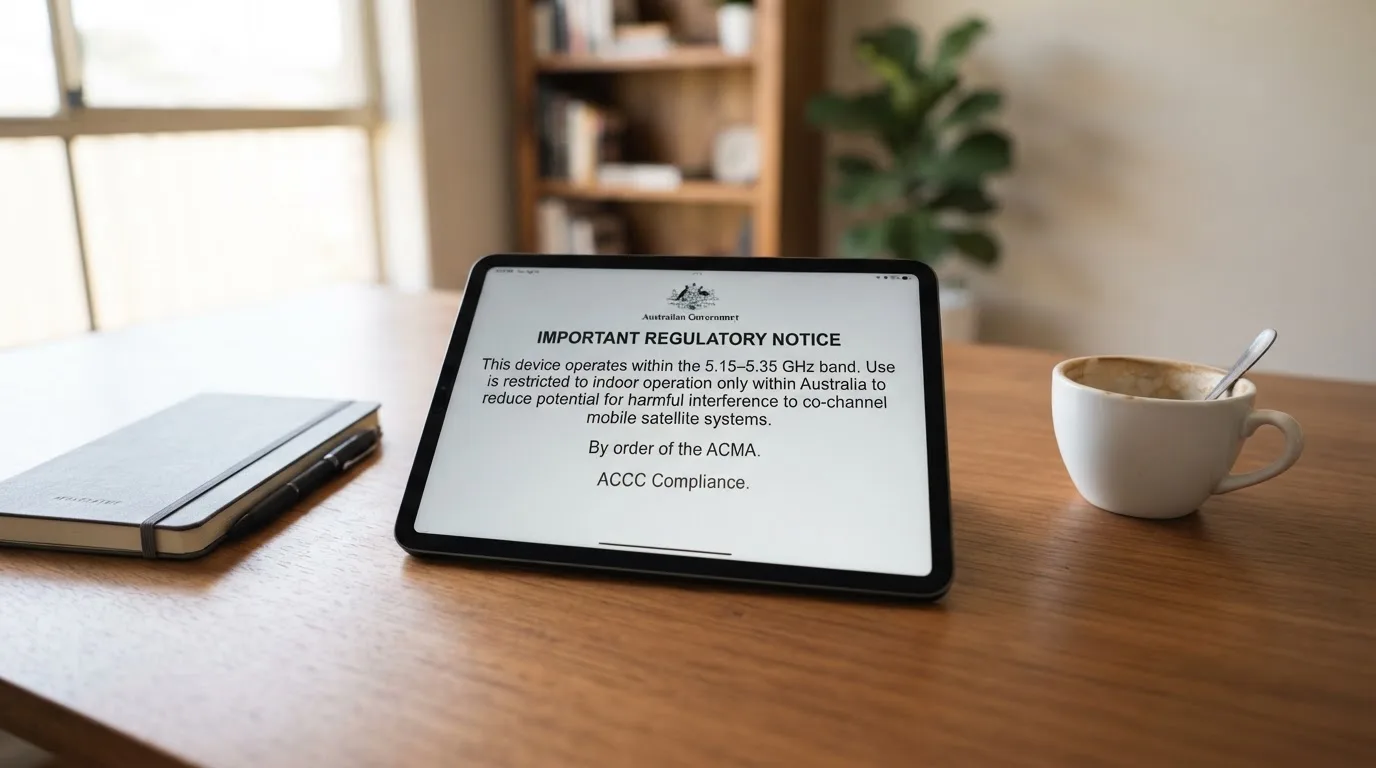
What can be licensed, and licensed under Australian law, is wagering on races and sport placed before the event, lotteries and keno. That licence does not extend to online slots, online table games or live-dealer casino product. A casino offering pokies to Australian customers is, by the IGA, in breach — and a promo code is one of the inducements the regulator specifically targets when issuing formal warnings.
What the ACMA does about it
The Australian Communications and Media Authority investigates, issues formal warnings, and directs Australian ISPs to block illegal sites. By June 2026 the ACMA had asked ISPs to block 1,751 illegal gambling and affiliate marketing websites since the first blocking request in November 2019, and more than 230 unlicensed services had left the Australian market since enforcement was strengthened in 2017. The June 2026 round alone added twelve names: 7Signs, ChromaBet, Donbet, Duospin, Freshbet, Slots Gem, Jacks Club, Lucky Start, Pointsbetz, Spinrise, Vinyl Casino and Wildsino. The pace has not slowed.
The formal-warning register is the ACMA’s slower tool. It is a public letter, addressed to the operator named in the company’s registration documents, that records a breach finding and warns of further action if the conduct continues. The warnings covered by the brands later in this article range from 2022 through to April 2026, with no single quarter of that window empty of new ones. Two of the brands on the ACMA’s list — RocketPlay and Jackbit — were warned in the same calendar year a player could still find their promo code on a comparison site.
The Interactive Gambling Amendment (Gambling Reform) Bill 2026
The Interactive Gambling Amendment (Gambling Reform) Bill 2026 passed Parliament on 19 August 2026. Its advertising and inducement measures — the provisions aimed directly at the kind of marketing that surrounds casino promo codes — commence on 1 January 2027. On any page read during 2026 the law is enacted but not yet in force; the inducement provisions sit on a published start date rather than as a live restriction. The IGA as it stood before that Bill is the law the ACMA is enforcing now.
Responsible gambling and the supports that exist
What BetStop covers — and what it doesn’t
BetStop, the National Self-Exclusion Register, has been live since August 2023 and binds every Australian-licensed online and phone wagering service. A player who registers with BetStop cannot open new wagering accounts with Sportsbet, Bet365, Ladbrokes or any of the other NTRWC-licensed bookmakers for the duration of their exclusion. The coverage stops there. An offshore casino is not connected to BetStop; a BetStop registration does not block a sign-up at a Curacao-licensed site the ACMA has already warned. Self-exclusion is an Australian system for Australian-licensed product, and the offshore casino is outside it by design.
The supports that apply regardless of where the casino is licensed
The National Gambling Helpline — 1800 858 858 — is free, runs 24/7, and is the same number whether the player is using a licensed bookmaker or an offshore casino. Gambling Help Online carries the chat counterpart. State-level services sit beside the federal one: Gambler’s Help in Victoria, GambleAware in New South Wales, Gambling Help SA in South Australia, and the equivalents in Western Australia, Queensland, Tasmania, the ACT and the Northern Territory. The helpline does not check what the player was doing before calling; it works on the assumption that the player is already in it.
What a promo-code-driven habit usually looks like before it becomes a problem
The marketing around a casino promo code is built to look like a small decision. A code in an inbox is a single click; the deposit the code unlocks is a single payment; the wagering requirement is a number, not a behaviour. Behind that number is the wagering volume — and the wagering volume, for a 40x multiple on a $500 bonus, is $20,000 of placed bets, with the maximum-bet cap running at A$5 or A$10 a spin so the requirement cannot be cleared in a single large wager. The path from “I typed in a code” to “I have a problem” runs through the bonus terms rather than past them. The National Gambling Helpline is the right number to call when that path is already travelled, not when it is being read about.
How Australian players actually move money
What Australian banks block at card level
Westpac’s gambling block works at card level: it refuses authorisation of transactions registered under the merchant category code “Betting/Casino Gambling” on eligible personal credit and debit cards. Commonwealth Bank runs the same product through the CommBank app, with the same caveat that the bank cannot guarantee every gambling-related transaction will be stopped — the merchant code is a category, not a fingerprint. ANZ’s gambling transaction block, activated in the ANZ app, also blocks gambling transactions made through a digital wallet such as Apple Pay on an eligible card, not just on the physical card; turning the block off requires a 48-hour waiting period.
Card-level blocks cut a player off from most of the deposit routes an offshore casino offers. They do not cut a player off from a bank transfer to a BSB and account number, which is why the next set of rails matters.
PayID, Osko and the speed of bank-to-bank transfers
Osko, run by Australian Payments Plus, settles a bank transfer between participating Australian banks in under a minute, 24/7 including weekends, addressed to either a BSB and account number or a PayID. PayID-based instant transfers are available at over 100 Australian financial institutions, and more than 25 million PayID identifiers were registered on Australia’s New Payments Platform as of April 2025. The platform went live to the public on 13 February 2018, is owned by New Payments Platform Australia Ltd (a non-profit company whose 13 shareholders include the Reserve Bank of Australia and the major banks), and participants must keep monthly outages to no more than two minutes.
The system’s design is a problem as well as a feature. Paying to a PayID shows the name of the account holder before the transfer is sent — AP+ warns that being asked to transfer money to a PayID on an illegal gambling site almost certainly means a scam site, because legitimate Australian businesses do not route customer deposits that way. The same one-minute settlement that makes Osko convenient for paying a tradesperson makes it quick to send money offshore to a site the ACMA has already warned, and the speed does not pause for a player to think.
BPAY, eftpos and the rest of the rail set
BPAY has operated in Australia since 1997, is available in the online banking of over 140 banks and financial institutions, and is offered by over 95,000 businesses. The payer enters the Biller Code and the Customer Reference Number printed on the bill, and BPAY is run by Australian Payments Plus, the same operator that runs PayID and Osko. In September 2021 the ACCC authorised the merger of BPAY Group, eftpos and NPP Australia into Australian Payments Plus — one umbrella, three rails.
AUSTRAC’s threshold-transaction-report rule applies only to physical cash — transfers of A$10,000 or more in physical currency trigger a reporting requirement that does not apply to electronic bank transfers regardless of size. A player sending A$5,000 to an offshore casino through Osko is below that line and below AUSTRAC’s per-transaction reporting trigger, but the player’s bank still sees the merchant name on the statement.
Credit cards, digital wallets and the ban that bites
Under the Interactive Gambling Act 2001 as amended in 2023, Australian-licensed online wagering services cannot accept payment by credit card or other credit-related products; the restriction also constrains gambling use of linked digital wallets like Apple Pay. Credit cards and credit-related products are banned as payment for licensed online wagering since 11 June 2024, with penalties up to $247,500 for operators. A licensed wagering service does not accept a credit-card deposit. An offshore casino does — and the offshore casino is the venue the promo code is sending the player to in the first place.
Apple Pay and Google Pay collectively accounted for around 45% of all card payments in Australia by number by the end of 2025. Apple does not charge fees to consumers for using Apple Pay; transaction limits and PIN requirements for Apple Pay purchases are set by the card issuer or merchant, not by Apple. American Express is structured differently from Visa or Mastercard — it issues cards and processes transactions itself in a three-party scheme rather than the four-party network Visa and Mastercard run — and the Reserve Bank of Australia’s July 2025 review proposes removing surcharges only on eftpos, Mastercard and Visa, explicitly leaving American Express outside the scope of the proposed surcharge ban.
AUSTRAC and the offshore casino’s blind spot
AUSTRAC’s reporting framework is built for Australian-regulated entities. An offshore casino is not one. There is no Australian anti-money-laundering reporting relationship between the casino and AUSTRAC; the player sending money to an offshore site is on the bank’s side of the rail, not on the casino’s. What AUSTRAC can do is enforce at the bank — but the bank’s reporting trigger is not the casino’s status, it is the transaction’s characteristics.
What a casino promo code’s bonus actually costs
The wagering multiple is the real number
A welcome offer of “100% up to A$500 + 200 free spins” looks like $500 in bonus money. The wagering multiple — usually 35x to 50x on the bonus, sometimes on the deposit plus the bonus — turns it into a volume of bets the player must place before any winnings become cashable. A 100% match at 40x on a $500 bonus is $20,000 of wagering. The same package at 50x is $25,000. The 10x gap between 40x and 50x is $5,000 of placed bets that the player has to absorb before anything comes out the other side.
The maximum bet per spin while the bonus is active is the lever that controls how the volume is delivered. A A$5 cap means the $20,000 of required wagering takes 4,000 spins at five seconds each — roughly 5.6 hours of continuous play, ignoring any non-pokie contribution. A A$10 cap cuts the time roughly in half. The casino picks the cap; the player picks the casino; the time is a consequence of those two choices stacked.
Free spins and what their winnings actually are
Free-spin winnings are bonus balance, and bonus balance sits behind the same wagering requirement the deposit bonus sits behind. Two hundred free spins on a 96% RTP slot at A$1 per spin return, on average, A$192 in spin value — but the value is a bonus credit, and the bonus credit has to be wagered through before it converts. The headline “200 free spins” is a count, not a payout.
The slot’s RTP — return to player, the percentage of money wagered the slot returns over the long run — is the variable that determines what those 200 spins are worth before the wagering requirement. A 96% RTP slot returns A$192 in spin value from 200 spins at A$1; a 94% RTP slot returns A$188. The 2-point gap is A$4 in expected return on a 200-spin bundle. Small numbers at small stakes; larger numbers on a bigger free-spin allocation start to add up.
The no-deposit bonus and what it does to the calculation
A no-deposit bonus — A$10 free, no deposit required — sounds like nothing. The maths is that the bonus has to be wagered through before any winnings come out, the wagering multiple is often higher than on a deposit bonus (50x to 60x is common), and the maximum cashout is usually capped at a small multiple of the bonus — A$100 to A$200 in most cases. A$10 at 60x is A$600 of wagering; A$10 in winnings with a A$100 cashout cap is A$10 turning into a chance at A$100 rather than a payout of A$100.
What the “max cashout” cap does
A maximum-cashout cap is the casino’s exit door. It sets the ceiling on what a bonus can pay out regardless of how the wagering requirement goes. A A$100 cap on a no-deposit bonus means that no matter how the bonus plays, the most the player can withdraw is A$100. The bonus can be worth more than the cap in expected return, in which case the cap is the binding constraint; or the cap can be above the bonus’s expected return, in which case the wagering requirement is the binding constraint. The cap and the multiple together are the two numbers that define whether the bonus has any value at all.
The 11 brands the ACMA has formally warned over
The brands below are not a shortlist, a ranking, or a recommendation. They appear because the ACMA itself issued a formal warning over each one, for offering prohibited online casino services to Australians under the Interactive Gambling Act 2001. They are the casinos behind the promo codes an Australian is most likely to encounter. None of them can lawfully offer online casino games to a person in Australia, whatever licence the site displays.
The shape of the ACMA’s enforcement history
The ACMA’s formal-warning register spans from 2022 through April 2026, with warnings clustered around repeat offenders. Dama N.V. was warned in May 2022 over six brands — Bambet, Dazard, Level Up, Rocketplay, Wild Tornado and Cobra Casinos — and then again, over two different brands, in March 2025 (Woo Casino) and May 2025 (Spirit Casino). The pattern is one operator group, multiple brand names, the same underlying conduct. TechSolutions was warned in 2022 over Bizzo Casino; Consolutetish S.R.L. was warned in July 2025 over both National Casino and Bizzo Casino. The brand survives; the operating company moves.
| Brand | ACMA action and date | Operator named by the ACMA | Subject support |
|---|---|---|---|
| RocketPlay | Formal warning, March 2026; earlier Dama N.V. warning, May 2022 | Pulsup Ltd (RocketPlay) | Listings only — Gambling Insider |
| Level Up Casino | Formal warning, May 2022 | Dama N.V. | Listings only — Westpac |
| Woo Casino | Formal warning, March 2025 | Dama N.V. | — |
| Spirit Casino | Formal warning, May 2025 | Dama N.V. | — |
| National Casino | Formal warning, July 2025 | Consolutetish S.R.L. | Listings only — acma.gov.au, austrac.gov.au, betstop.gov.au |
| Bizzo Casino | Formal warning, July 2025; earlier TechSolutions warning, 2022 | Consolutetish S.R.L. | Listings only — Gambling Insider |
| Ignition Casino | Formal warning, July 2025 | Bamboo Media | — |
| Instant Casino | Formal warning, February 2025 | EOD Code SRL | Listings only — EcoPayz, PayID |
| Jackbit | Formal warning, April 2026 | Ryker B.V. | — |
| Casino Intense | Formal warning, April 2025 | Sterplay Holding Ltd | Listings only — austrac.gov.au, betstop.gov.au, Gambling Insider |
| Sky Crown | Formal warning, September 2022 | Hollycorn N.V. | — |
The cluster is dense in 2025 and 2026. Five of the eleven brands above were named in formal warnings issued in 2025 or 2026; the median age of a warning on this list is under two years. The ACMA has not been slowing down.
What the pattern says about the promo-code pipeline
A casino promo code is an inducement to deposit. The ACMA’s formal warnings cluster around the same operators under different brand names, and the cluster lines up with where the marketing spend goes. A code is a marketing artefact; the warning is a regulatory artefact; both are about the same site. The two ends of that pipeline do not always sit on the same page — the marketing page advertises the code, the regulator’s register names the operator — which is why a player who reads only the first has no way to learn what the second already says.
The brands individually
RocketPlay sits at the top of the list because the ACMA’s most recent warning — March 2026, over RocketPlay — is also one of the most recent formal warnings on the regulator’s register. The brand carries a second warning from May 2022 under Dama N.V., which makes it one of two brands on the list warned under two different operating companies. For an Australian player who arrived through a promo code and typed in a deposit, the relevant fact is the date the ACMA published the warning, not the date the warning was issued to the operator — and the regulator’s publication is a 2026 record, not a 2022 one.
Level Up Casino is a 2022 warning. The brand is older in the ACMA’s register than most of the rest of this list, and the operator named is Dama N.V. — the same operator group that recurs in 2025 over Woo Casino and Spirit Casino. A 2022 warning is not a 2022 resolution; the ACMA’s register carries the warning, not its closure, and the brand’s Australian-facing conduct is what the register records.
Woo Casino carries the Dama N.V. warning from March 2025, with no earlier entry under a different operator. The brand is newer to the register than Level Up but runs the same operator behind it.
Spirit Casino carries the Dama N.V. warning from May 2025, the second of the two 2025 warnings against Dama N.V. and one of three warnings on this list issued in 2025.
National Casino is named in the July 2025 warning to Consolutetish S.R.L., and the warning is a joint one — it covers National Casino and Bizzo Casino together. The same operator, two brands, one letter.
Bizzo Casino is the brand that shows the regulator’s register as a long-running record rather than a single event. TechSolutions (CY) Group Limited and TechSolutions Group N.V. were warned over Bizzo Casino in 2022; Consolutetish S.R.L. was warned over both Bizzo Casino and National Casino in July 2025. The same brand, two operators, four years apart. The warning record shows what the regulator’s register was already carrying when the most recent warning was issued.
Ignition Casino carries the Bamboo Media warning from July 2025. The brand is the second of the three 2025 warnings on this list, alongside Spirit Casino and National Casino.
Instant Casino is the EOD Code SRL warning from February 2025, and it is the warning that kicked off the ACMA’s 2025 cluster. The brand sits at the front of the year’s enforcement record and the back of the early-2025 warning distribution.
Jackbit is the Ryker B.V. warning from April 2026, the most recent warning on this list alongside the March 2026 RocketPlay entry. CasinOK is named in the same warning, which puts the regulator’s register covering two brands on a single 2026 letter.
Casino Intense carries the Sterplay Holding Ltd warning from April 2025, one of the 2025 cluster and one of the warnings on the list tied to the longest-standing gambling-block coverage on the Australian side — the bank-level blocks on Westpac, ANZ and Commonwealth Bank are the kind of restraint that the offshore site is unaffected by.
Sky Crown is the Hollycorn N.V. warning, the oldest on this list at September 2022. The same letter covers Blue Leo; Hollycorn N.V. is named across two brands in one warning, the same shape as Consolutetish S.R.L. three years later.
What “no-data” actually means for a reader
Six of the eleven brands above carry the no-data marker on the subject-support column, which means the underlying research does not record any third-party listings for those brands beyond the ACMA’s own formal-warning publication. The marker is not an absence of evidence about the brand — the ACMA’s register is evidence, and the warning is the regulator’s finding. It is an absence of corroborating listings from independent industry sources. A reader looking up Woo Casino, Spirit Casino, Ignition Casino, Jackbit or Sky Crown outside the ACMA’s register will mostly find affiliate marketing pages, which are not the kind of source that adds anything to the warning already on the regulator’s letterhead.
Calculating the ACMA’s blocking rate
The ACMA’s first blocking request went out in November 2019; by June 2026 the regulator had asked Australian ISPs to block 1,751 illegal gambling and affiliate marketing websites. Spread across the roughly 80 months between those two dates, that works out to an average of around 22 sites blocked per month — a steady drip rather than a campaign-driven spike, with the June 2026 round alone adding 12 names in a single notice. The rate is informative only as a band: the running total rises faster in months when a single operator group’s brands are added together, and slower in months when the ACMA’s enforcement is focused on formal warnings rather than ISP referrals. A reader who wants a sharper figure than the band needs the regulator’s monthly enforcement summaries, which is where the variation lives.
Frequently asked questions
Is a casino promo code the same thing as a welcome bonus?
A welcome bonus is what every new account gets by default when signing up; a promo code is a routing token that unlocks a particular bonus when entered at sign-up, deposit, or cashier. The same casino can offer both, and they often refer to the same pot of bonus money — the code is the entry, the bonus is the reward. Two simultaneous bonuses from one casino is the exception, not the default.
Does an offshore casino promo code give an Australian any consumer protection?
No. The Interactive Gambling Act 2001 prohibits online casino product in Australia; offshore operators are outside Australian consumer law and outside the ACMA’s licensing oversight. There is no Australian complaints body for an offshore casino, no BetStop coverage for offshore sign-ups, and no recourse if a withdrawal is refused. The site can be blocked at ISP level with a balance still sitting on it.
What’s the standard maximum-bet cap while a casino bonus is active?
A A$5 to A$10 cap on a single spin or hand while the wagering requirement is being worked through is the most common ceiling; anything above that usually voids the bonus and the winnings attached to it. The cap is the lever that controls how long the wagering requirement takes to clear, and it is the casino’s choice rather than the player’s.
Can a player use two promo codes at the same offshore casino?
Usually not. Most offshore casinos run one active bonus at a time, and a second promo code either queues behind the first or is rejected at the cashier. A “use the code and double your welcome bonus” headline is usually a rephrasing of the same bonus, not a stacking offer; the maximum-bet cap and the wagering multiple apply to the combined pot.
Why do casino promo codes often expire within days?
The expiry window is part of the inducement. A 7-day or 14-day code forces the player to deposit within the window or lose the bonus, which compresses the marketing funnel. Offshore casinos use short windows because long windows let players comparison-shop after the code has already worked; the short window is also the window in which the wagering requirement has to be cleared, which keeps the volume of play inside a period the casino can measure. See also What an Online Casino VIP Program Actually Means for an Australian… .
What should an Australian do before entering any personal details on an offshore promo page?
Check the ACMA’s formal-warning register to see whether the casino has already been named, and check the operator’s published corporate entity against the ACMA’s record. Look up BetStop — and if the player wants to self-exclude, BetStop covers Australian-licensed wagering services, not offshore casinos. Set a card-level gambling block through the issuing bank before depositing. Call the National Gambling Helpline on 1800 858 858 if the question is whether to proceed at all.