
Where Australian Players Stand With Booongo-Powered Online Casino Sites This Year
A search for “best Booongo online casinos Australia” runs into a wall that no review can dress up as a recommendation. Online casino games, online pokies and the studios that supply them are prohibited for Australians under the Interactive Gambling Act 2001. No state or territory issues a licence for them. What a reader lands on while searching is a list of offshore sites, almost all of which have already been the subject of a formal warning from the Australian Communications and Media Authority. The page below sets out what that landscape actually looks like — which brands have been warned, when, by whom, and what they offer that makes them attractive to Australian searchers anyway — and contrasts it with the regulated alternative that does exist for Australians who want to bet online.
Data current as of 29 October 2026, checked against the ACMA’s own register of formal warnings and blocking actions.
Table of Contents
- Bonuses and Free Spins at Booongo-Style Casinos — What the Marketing Actually Promises
- Mobile Play and Apps in the Booongo Casino Segment
- Specific Games and Providers: What a Booongo Paytable Looks Like
- The Australian Offshore Landscape: A Comparison of Brands the ACMA Has Acted Against
- What the Australian Landscape Actually Looks Like in 2026
- Responsible Gambling: Where Help Is Available
- Payments and Payout Speed at Offshore Casinos Targeting Australians
- Frequently Asked Questions
Bonuses and Free Spins at Booongo-Style Casinos — What the Marketing Actually Promises
Bonus pages across offshore operators that carry Booongo, or its renamed successor 3 Oaks Gaming, tend to lead with three headline numbers: a deposit match percentage, a maximum bonus in Australian dollars or euros, and a bundle of free spins on a named title. The structure is consistent enough across the segment that it can be read as a template rather than a per-brand offer.

A first-deposit match is the centrepiece. The pitch is usually 100% up to a four-figure cap, sometimes 200% on a smaller first deposit to make the percentage look bigger. The “match” is not the player’s money back — it is bonus money, credited on top of the deposit, and almost always subject to a wagering requirement before any of it can be withdrawn. A 100% match up to A$500 with a 40x wagering factor on the bonus means the player has to turn over A$20,000 in real bets before the bonus balance converts to withdrawable cash. That is the number that matters; the match percentage is the number that sells.
Free spins arrive bundled with the welcome package or as a stand-alone sign-up offer. The qualifying terms differ sharply from the deposit match: spins are usually credited against a single named title, sometimes a small shortlist, and the wagering factor on spin winnings is typically lower than on cash bonus money — 30x to 40x instead of 40x to 50x — but the cap on what spin winnings convert to is often much tighter. A A$5 maximum cashout from free-spin winnings is a common shape in this segment, and it sits next to a deposit match that promises thousands. Both are real; only one is what the reader will see first.
Reload bonuses and weekly free-spin drops keep the structure going after the welcome package is gone. The percentage is usually lower — 50% to 75% rather than 100% — and the maximum is smaller, but the wagering terms are written to the same template. Loyalty programs add cashback and tiered rewards on top, sometimes denominated as a percentage of weekly losses, sometimes as points convertible to bonus money. None of it changes the underlying arithmetic: every dollar that arrives as bonus money carries a turnover requirement before it can leave.
What is missing from most bonus pages is the cost of the bonus to the player. A 100% match up to A$500 reads as a gift. At a typical online slot RTP of around 96%, the expected loss on the A$20,000 of required turnover is roughly A$800 — a figure larger than the bonus itself. The free-spin bundle reads as a free chance to win. The A$5 cashout cap, when it sits next to it, reads as a free chance to win almost nothing. The bonus exists because it is profitable to the operator; the player’s job is to read the term the bonus page does not put on the front.
Reading a Bonus Page Without Believing It
Three checks catch most of the cost hiding inside a bonus offer. The first is the wagering factor, written as “x” after a number, applied to the bonus, to the deposit plus bonus, or sometimes to free-spin winnings alone. The second is the maximum cashout cap on bonus-derived winnings, often a flat amount that contradicts the size of the welcome package. The third is the list of excluded games — table games, live dealer titles and certain high-RTP slots are usually carved out of bonus wagering, which means the turnover requirement has to be met on a narrower set of games than the bonus page implied.

A player who reads only the headline numbers — match percentage, max bonus, free spin count — is reading a marketing document. A player who reads those three checks is reading the offer.
Mobile Play and Apps in the Booongo Casino Segment
The mobile offering at offshore casinos that carry Booongo content is built around three shapes: a responsive browser version, a downloadable app for Android from an APK the site provides directly, and an iOS app that is sometimes listed on the App Store under a generic name and sometimes distributed through a TestFlight or web-clip profile.
The responsive browser version is the default. Modern Booongo titles — and the 3 Oaks Gaming library that succeeded them — are built in HTML5, so a phone browser loads the same game client a desktop would, scaled to the screen. No download is required. The experience is good enough on a recent phone that the lack of an app is rarely the reason a player switches.
The Android APK is the second shape. Google Play does not host real-money casino apps in most jurisdictions, so offshore operators distribute their Android apps by direct download from the site itself. The install requires the player to allow installs from unknown sources in the phone’s settings, which is a security trade-off the operator does not flag. Once installed, the app offers a faster launch and a slightly smoother experience than the browser. The trade-off is the install path.
The iOS shape is messier. Apple’s rules around real-money gambling apps vary by jurisdiction, and an offshore operator serving Australia does not qualify for the licensed-jurisdiction carve-outs that get apps into the Australian App Store. Some operators skip the App Store entirely and instruct players to install via a configuration profile — a process Apple built for enterprise app distribution, repurposed here. Others publish only the browser version.
What the mobile shape never changes is the underlying regulatory position. A phone app that loads Booongo or 3 Oaks content is the same offshore product as the desktop version. The Australian Communications and Media Authority has blocked the underlying sites through Australian internet service providers, and a phone using an Australian mobile network reaches those sites only through workarounds that vary in reliability. The convenience of an app does not change the legal status of the product inside it.
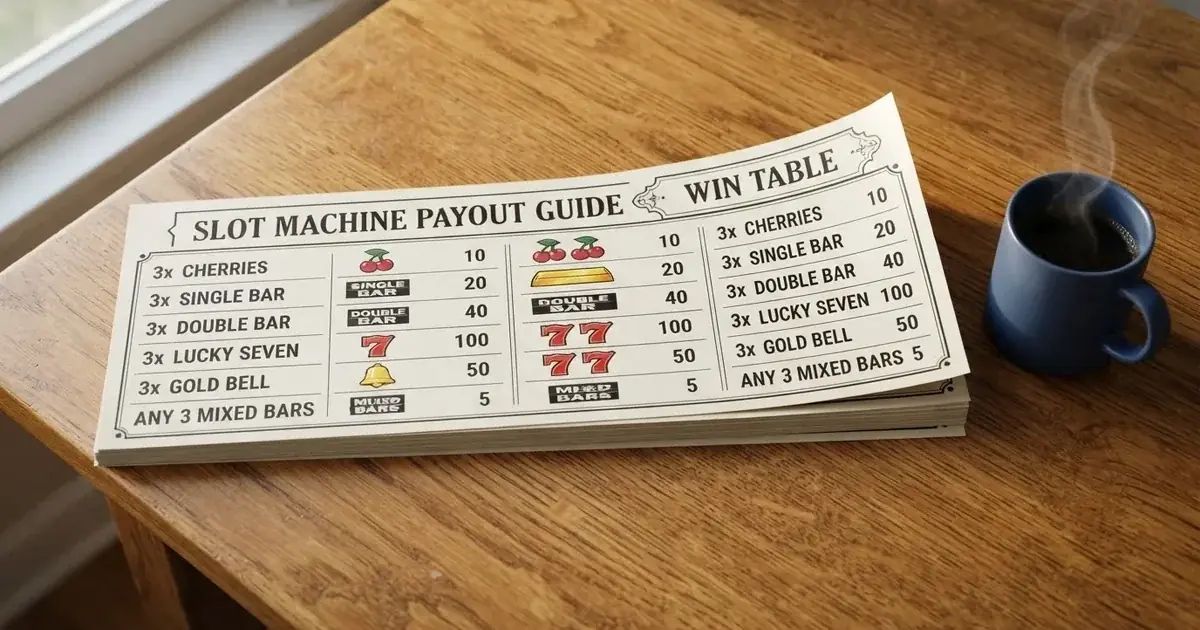
Specific Games and Providers: What a Booongo Paytable Looks Like
Booongo started as a studio producing HTML5 video slots with a focus on “Hold and Win” mechanics — a respin feature where certain symbols lock in place while the others respin, building toward a jackpot screen when the full grid fills. The studio’s identity was built around that mechanic across titles like Sun of Egypt, 3 Coins and the Book of Sun series. The paytable on those titles shows a fixed set of premium symbols, a smaller set of low-paying card royals, a scatter that triggers free spins, and one or more special symbols that activate the Hold and Win bonus round.
The 3 Pots of Egypt and Storm of Olympus family extended the format. The structure stayed similar — five reels, twenty or twenty-five paylines, a scatter, a Hold and Win bonus — but the math model shifted: more bonus triggers, more frequent small wins, a higher volatility on the bonus round itself. The result is a session that feels more active than a classic three-reel slot but pays out less predictably than a low-volatility game.
3 Oaks Gaming, the regulated-market brand that emerged from Booongo’s 2021 restructuring, now holds a UK Gambling Commission remote operating licence granted 9 February 2024, and the UKGC has certified more than fifty of 3 Oaks’ titles — 3 Pots of Egypt, Storm of Olympus, 777 Fruity Classic and Hawaii Riches among them. The Malta Gaming Authority followed with a recognition notice on 4 August 2025, opening the studio’s content to MGA-licensed operators carrying titles such as Sun of Egypt 4, Coin UP: Lightning and 3 Hot Chillies. The same studio is therefore present in licensed markets under a different name; the content is the same family of mechanics.
For the paytable itself, the standard reading is: identify the premium symbols and their payouts on five-of-a-kind, note the scatter and how many scatters trigger free spins, locate the bonus symbol and what fills the screen during the Hold and Win round, and check the payline count — twenty or twenty-five is typical for the genre. The RTP figure is usually published in the game’s information panel, and the volatility is described in words rather than numbers. Both numbers are relevant: an RTP below 95% is below average for online slots, and a “Very High” volatility tag means long dry stretches between wins.
The Australian Offshore Landscape: A Comparison of Brands the ACMA Has Acted Against
The brands below are not ranked for play. They appear because the Australian Communications and Media Authority itself issued a formal warning over each one for offering prohibited online casino services to people in Australia. They are presented in the order the ACMA’s own register lists them, and the columns below are the columns that matter to a reader weighing them: the brand name, the date and operator behind the ACMA action, and whether the brand’s own site or studio listings name any connection to Booongo or 3 Oaks Gaming content.
| Brand | ACMA action and date | Operator named by the ACMA | Subject support |
|---|---|---|---|
| RocketPlay | Formal warning, March 2026 (also May 2022 under Dama N.V.) | Pulsup Ltd | — |
| Level Up Casino | Formal warning, May 2022 | Dama N.V. | Listed by Wazdan as carrying Wazdan content; no Booongo listing found |
| Woo Casino | Formal warning, March 2025 | Dama N.V. | — |
| Spirit Casino | Formal warning, May 2025 | Dama N.V. | — |
| National Casino | Formal warning, July 2025 | Consolutetish S.R.L. | Listed by Betsoft and Pragmatic Play as a partner; no Booongo listing found |
| Bizzo Casino | Formal warning, July 2025 (also 2022 under TechSolutions) | Consolutetish S.R.L. | — |
| Ignition Casino | Formal warning, July 2025 | Bamboo Media | — |
| Instant Casino | Formal warning, February 2025 | EOD Code SRL | — |
| Jackbit | Formal warning, April 2026 | Ryker B.V. | — |
| Casino Intense | Formal warning, April 2025 | Sterplay Holding Ltd | Listed by 1spin4win as a partner |
| Sky Crown | Formal warning, September 2022 (Hollycorn PDF) | Hollycorn N.V. | — |
The table reads the way it does because the ACMA has acted against every brand in the set. The dates cluster between 2022 and 2026, and they sit alongside a regulatory backdrop that has tightened rather than loosened. A reader using this table should take it as a register of brands the Australian regulator has called out, not as a list of safe or unsafe options.
What the Column Gaps Mean
The “Subject support” column is sparse on purpose. Affiliate and partner directories — studios listing which casinos carry their games — give the clearest evidence that a brand actually stocks Booongo or 3 Oaks content rather than just claiming to. Most of the brands above do not appear in those directories, which means the studio connection is not verifiable from public listings. Casino Intense appears on 1spin4win’s partner list, which tells the reader that Casino Intense carries 1spin4win slots, not that it carries Booongo. National Casino appears on Betsoft’s and Pragmatic Play’s lists, which is closer to the segment but still not a Booongo listing. Level Up Casino shows up on Wazdan’s partner pages, which sits even further from the Booongo family. Where the column is empty, the answer is the one that matters: no studio listing the page could verify names Booongo or 3 Oaks for that brand.
RocketPlay
The ACMA issued a formal warning over RocketPlay in March 2026, naming Pulsup Ltd as the operator. An earlier warning had already been issued over Rocketplay in May 2022, naming Dama N.V. — a Curaçao-based operator group that has accumulated a long list of ACMA warnings across its portfolio of brands. The site markets itself to Australian searchers with a welcome package, a multi-thousand-game library and a crypto-friendly payments page. None of that changes the warning: the ACMA has acted against this brand twice in four years, and the second warning has not been withdrawn.
For a reader searching specifically for Booongo content: no studio listing the page could find confirms that RocketPlay carries Booongo or 3 Oaks titles. The brand is included in this set because the ACMA has acted against it, not because of any verified studio relationship.
Level Up Casino
Dama N.V. took a formal warning in May 2022 covering six casino brands, of which Level Up Casino was one. The warning remains on the ACMA’s register, and the site continues to operate offshore. Level Up is a longer-running brand in Dama’s portfolio than some of the others on this list, and it appears on Wazdan’s published partner directory — which tells a reader that Wazdan slots are integrated into the site, not that Booongo is. The brand’s own lobby is large enough that Booongo titles may sit inside it, but no public listing the page could verify says so.
The verdict here is the same as it is on every brand in the set: the ACMA has called this one out, and a player should read that as the starting position.
Woo Casino
Woo Casino drew a formal ACMA warning in March 2025, again naming Dama N.V. The brand markets to Australian searchers with a familiar welcome-package structure, a hold-and-win-heavy slot library and a VIP tier system. None of the studio directories the page checked name Woo Casino as a Booongo or 3 Oaks partner.
What changed for Woo Casino in 2025 was the warning itself — the ACMA’s enforcement actions in the 2024–2026 period have run at a faster pace than the 2017–2022 period, and a fresh warning is closer in time to a reader’s present moment than an older one. That is the data point that matters here.
Spirit Casino
Spirit Casino took a formal ACMA warning in May 2025 under Dama N.V., two months after the Woo Casino warning. The pattern is familiar: same operator group, similar brand template, same Australian-targeting marketing. No studio directory consulted lists Spirit Casino as a Booongo partner. A reader weighing Spirit against Woo is weighing two products from the same operator group that have both been called out within months of each other.
National Casino
Consolutetish S.R.L. took a formal ACMA warning in July 2025 covering National Casino and Bizzo Casino. National Casino appears on the partner pages of Betsoft and Pragmatic Play, both of which are major slot studios in the regulated-market segment. That is the closest connection the page found between any brand in this set and a real slot studio, and it still does not establish a Booongo or 3 Oaks link.
National Casino’s marketing leans on a welcome package and a long-running loyalty program, both of which sit on top of the same offshore-platform template the rest of the brands use. The ACMA’s July 2025 warning is the most recent action against this brand.
Bizzo Casino
Bizzo Casino took the same July 2025 ACMA warning as National Casino, under Consolutetish S.R.L., and it carries an earlier warning from 2022 naming TechSolutions (CY) Group Limited and TechSolutions Group N.V. as the operators at that time. Two warnings over four years, two different operator-company names — the second a transfer rather than a fresh start. No studio directory consulted names Bizzo Casino as a Booongo partner.
The shape here is the one that matters most: a brand that has changed operator companies and accumulated a fresh warning in the process. A reader should treat the most recent action as the relevant one.
Ignition Casino
Bamboo Media took a formal ACMA warning in July 2025 covering Ignition Casino. Ignition is one of the older brands in this segment, oriented toward the Australian and US offshore market, and it has historically positioned itself around poker and table games rather than slot volume. No Booongo or 3 Oaks listing was found in the studio directories the page consulted.
The warning is the data point. The brand template is secondary.
Instant Casino
EOD Code SRL took a formal ACMA warning in February 2025 over Instant Casino. The brand runs on a fairly minimal template — a smaller lobby than some of the others in this set, with a marketing emphasis on fast withdrawals and a no-account-required sign-up flow. None of the studio directories consulted confirm a Booongo integration.
The February 2025 warning is among the earlier actions in the most recent ACMA enforcement round, and it has not been followed by a withdrawal of the warning on the ACMA’s register.
Jackbit
Ryker B.V. took a formal ACMA warning in April 2026 covering Jackbit and CasinOK. Jackbit markets itself around crypto deposits and a sportsbook-plus-casino combined product, which puts it slightly outside the slot-focused segment some of the other brands sit in. No Booongo listing was found for Jackbit in the directories consulted.
The April 2026 warning is recent, and it follows the same shape as the rest: a formal notice that the brand is offering prohibited services to Australians.
Casino Intense
Sterplay Holding Ltd took a formal ACMA warning in April 2025 over Casino Intense. The brand appears on 1spin4win’s partner directory, which establishes a slot-studio relationship without establishing a Booongo one. Casino Intense has a smaller lobby than most of the brands in this set and a marketing emphasis on a tighter welcome offer rather than a larger one.
The April 2025 warning is the relevant data point. The 1spin4win listing is a secondary fact about the brand’s content mix, not an endorsement.
Sky Crown
Hollycorn N.V. took a formal ACMA warning over Sky Crown and Blue Leo, published in a September 2022 PDF on the ACMA’s site. Sky Crown is one of the older brands in this set, and the warning is among the older ones too. The brand continues to operate offshore and continues to be marketed to Australian searchers. No Booongo or 3 Oaks listing was found.
A reader weighing Sky Crown against the more recently warned brands should weigh the date of the action as well as the action itself: a 2022 warning followed by four years of continued operation is a different signal from a 2026 warning.
What the Australian Landscape Actually Looks Like in 2026
Online casino play in Australia is a search term, not a product. The Interactive Gambling Act 2001, strengthened by the Interactive Gambling Amendment Act 2017, makes it an offence for a provider to offer online casino games, online pokies or in-play betting to a person physically in Australia. No state or territory issues a licence for those products. What is licensable is wagering on races and sporting events placed before the event, lotteries and keno — in practice licensed by the Northern Territory Racing and Wagering Commission, a body that regulates 52 of Australia’s online bookmakers, including Sportsbet, Bet365 and Ladbrokes, and that has no full-time staff and meets once a month in Darwin.
The Interactive Gambling Amendment (Gambling Reform) Bill 2026 passed Parliament on 19 August 2026, with its advertising and inducement measures commencing 1 January 2027. The law exists now, but the start date for those provisions is not this year. A reader who sees a 2026 marketing page promising inducements that the new law will restrict is reading a page that has not caught up with what is about to change.
The enforcement end sits with the ACMA. The authority investigates complaints, issues formal warnings to operators, and can direct Australian internet service providers to block illegal sites at the network level. The cumulative count, as reported in June 2026, was 1,751 illegal gambling and affiliate marketing websites blocked since the first blocking request in November 2019, with more than 230 unlicensed gambling services having left the Australian market since enforcement was strengthened in 2017.
How the Blocking Rate Has Changed
A blocking request is the ACMA’s formal mechanism for taking a site off Australian networks: the authority identifies an illegal operator, applies to the Federal Court or directs ISPs directly, and the site becomes unreachable through ordinary Australian connections. The cumulative figure reached 1,751 blocked sites by 26 June 2026, against a first blocking request issued in November 2019. That is a running total built over roughly six and a half years of enforcement — averaging out at around 270 sites blocked per year, though the rate has not been constant.
The most recent published round added 12 sites in a single action on 26 June 2026: 7Signs, ChromaBet, Donbet, Duospin, Freshbet, Slots Gem, Jacks Club, Lucky Start, Pointsbetz, Spinrise, Vinyl Casino and Wildsino. Earlier rounds in the 2024–2026 period ran at similar pace, with the result that the cumulative count has accelerated rather than tapered. The mid-period of enforcement — roughly 2019 through 2023 — saw the bulk of the 1,751 figure, with the recent rounds continuing the trend rather than slowing it.
The rate is the relevant measure, not the cumulative figure on its own. A reader looking at 1,751 blocked sites since November 2019 is looking at a number that has been climbing for six and a half years and that continues to climb. The first blocking request in November 2019 is the baseline; the 26 June 2026 round is the most recent data point.
The Player’s Position Under the IGA
The IGA targets the provider, not the individual player. There is no offence on the Australian player for accessing an offshore casino; the offence sits on the operator offering prohibited services to Australians. The practical consequence for a player is that an offshore site gives no Australian consumer protection, no local complaints body and no recourse if a withdrawal is refused or a balance is held. The site can also be blocked while a balance sits on it, which is a risk no licensed Australian wagering product carries.
A reader weighing offshore play is weighing two things at once. The first is the offer — the bonus, the game library, the payment speed. The second is the absence of any Australian protection when something goes wrong. The licensed alternative is a wagering product on races and sport, which is what Australians can actually bet on online through a Northern Territory-licensed bookmaker. The licensed product is not the same product. A reader searching for online pokies is not going to find a licensed Australian pokies site, and the search needs to settle that point before it moves on.
Responsible Gambling: Where Help Is Available
Help for gambling harm in Australia is free, confidential and available around the clock. The National Gambling Helpline is 1800 858 858, free from any Australian phone, 24 hours a day. Gambling Help Online runs chat and email support through the same network, with counsellors who understand the specifics of Australian gambling products and offshore access.
BetStop, the National Self-Exclusion Register, has been live since August 2023. A player who registers with BetStop is excluded from every Australian-licensed online and phone wagering service — every Northern Territory bookmaker, every state lottery operator that takes online play. The exclusion is binding on the licensed side. What it is not is an exclusion from offshore casinos. A self-excluded player can still reach an offshore site, because BetStop is an Australian instrument that binds Australian licensees only. That limitation is one of the reasons offshore play is treated as a separate risk category.
For a reader who is thinking about offshore casino play specifically: the registered self-exclusion does not cover it, and the help line does. The first call to 1800 858 858, or the first chat at Gambling Help Online, is the same call whether the harm comes from a licensed product or an offshore one.
Payments and Payout Speed at Offshore Casinos Targeting Australians
The payment side of offshore casino play targeting Australians has three layers: deposit, play, and withdrawal. Each layer runs on a different set of rails, and the speed at each layer varies more than the marketing pages suggest.
Deposits
The deposit side is the fastest. Offshore casinos that target Australian players usually accept Visa and Mastercard debit cards, several cryptocurrencies (Bitcoin, Ethereum, Litecoin and USDT being the most common), and a small set of e-wallets — MiFinity, Jeton, occasionally Skrill or Neteller. Deposits clear instantly or within a few minutes. The catch sits in the credit-card side: credit cards, credit-related products and digital currencies are banned as payment for licensed Australian online wagering since 11 June 2024, with penalties up to A$247,500 for operators that breach the rule. The ban applies to licensed operators. An offshore site accepting a credit card or a crypto deposit from an Australian is operating outside Australian rules, which is consistent with everything else about its position.
The licensed deposit rails — debit cards, bank transfer, PayID/Osko and BPAY — do not flow to offshore casinos. A licensed wagering operator using PayID or Osko is licensed to do so. An offshore operator is not.
Payouts
| Payment Method | Typical Payout Speed | Verification Requirement |
|---|---|---|
| Cryptocurrency | Minutes to Hours | Low to Moderate |
| E-wallets | 24 to 72 Hours | Moderate |
| Bank Transfer | 3 to 7 Business Days | High |
| Cards | 3 to 5 Business Days | High |
The payout side is where the marketing claims and the player experience diverge most. A “fast withdrawal” promise on an offshore site typically means a 24-to-48-hour internal approval window, with the funds then taking additional time on top depending on the method. Crypto withdrawals are usually the fastest once approved — minutes to a few hours once the blockchain confirms. E-wallet withdrawals run 24 to 72 hours after approval. Bank transfer withdrawals run 3 to 7 business days. Card withdrawals, where supported, sit at 3 to 5 business days.
The 24-to-48-hour internal approval is where most of the actual delay sits. The approval is a manual review of the account — source-of-funds checks, bonus-wagering verification, identity reverification, sometimes a request for additional documents. Players who have not completed the site’s KYC at deposit time hit it hardest: a first withdrawal often requires the full identity package, and the request can come back several times if the documents do not pass on the first pass.
The KYC Layer
Know-your-customer checks at offshore casinos are inconsistent. A site that prides itself on “no account needed” deposit flows still requires identity verification before a withdrawal of any meaningful size, because the payment processors it uses for fiat payouts require it. Crypto-first sites sometimes have softer KYC thresholds on small withdrawals, but they tighten at scale. The practical result is that a player who has deposited and played without verifying identity will, at withdrawal, meet the verification step the deposit side skipped.
The ACMA’s formal warnings do not name payment-method violations specifically, but several of the warning notices cite the offering of credit and prohibited inducements among the breaches. A reader weighing payment convenience is also weighing the regulatory position of the operator taking the payment.
Frequently Asked Questions
Is Booongo itself an operator, or just a game studio that supplies content to sites?
Booongo is a game studio — a developer and supplier of slot content, not a casino operator. The brand was restructured in 2021, and the regulated-market operation now sits under 3 Oaks Gaming, which holds a UK Gambling Commission remote operating licence granted on 9 February 2024 and a Malta Gaming Authority recognition notice granted on 4 August 2025. The studio’s titles — Sun of Egypt, the Book of Sun series, 3 Pots of Egypt, Storm of Olympus, the 3 Coins family — are licensed to operators in regulated markets; the studio does not run a casino itself.
Can Booongo titles be played for real money at any licensed Australian casino?
No. Online casino games and online pokies are prohibited interactive gambling services under the Interactive Gambling Act 2001, and no Australian state or territory issues a licence for them. Booongo and 3 Oaks titles reach Australian players only through offshore operators, all of which operate outside Australian law and none of which is an Australian-licensed casino. What is licensed in Australia is wagering on races and sport placed before the event, lotteries and keno, which are different products from online pokies and online casino games.
How does a Booongo slot typically differ from other studios’ games in its paytable?
The signature mechanic is “Hold and Win”: a respin feature in which certain symbols lock in place while the others respin, building toward a jackpot screen when the full grid fills. The paytable typically shows a fixed set of premium symbols, a smaller set of low-paying card royals, a scatter that triggers free spins and a bonus symbol that activates the Hold and Win round. Volatility is usually on the higher side, with most of the payout concentrated in the bonus round rather than the base game.
Does Booongo operate its own casino, or license its games to other operators?
Booongo licenses its games to operators; it does not run its own casino. The successor brand 3 Oaks Gaming does the same — it distributes content to operators licensed in regulated markets under its UK and Malta authorisations, and through partner integrations in other jurisdictions. The studios earn revenue from operator partnerships, not from running casinos. A player who reaches a casino branded “Booongo” or “3 Oaks” has reached an operator that has licensed the studio’s content, not a casino run by the studio itself.
Why do offshore casinos highlight Booongo as a selling point to Australian visitors?
Booongo and 3 Oaks titles are popular with Australian slot players because the Hold and Win format resembles the mechanics Australian players know from local pokies, and the games are produced at a scale and quality that sits well in a casino lobby. Offshore operators use the studio name as a quality marker because Australian players recognise it, even though the studios do not authorise Australian play and the offshore operators offering the games are not licensed in Australia. The marketing pitches the studio; the regulatory position is what the ACMA has acted against.
Is it legal for a site to offer Booongo games for real money to people in Australia?
No. Offering online casino games — including Booongo and 3 Oaks titles — to a person in Australia is an offence under the Interactive Gambling Act 2001, enforceable against the provider. The individual player is not the target of enforcement, but the site itself is operating outside Australian law, has no Australian consumer protection, no local complaints body and no recourse for the player if a withdrawal is refused. The ACMA has issued formal warnings over a long list of offshore operators doing exactly this, and the cumulative count of blocked sites reached 1,751 as of 26 June 2026.