
Best pokies in Tasmania $2026: the two casinos, the pub and club network, and the rules that govern them
Pokies in Tasmania are an island story. The state licenses two casinos — Wrest Point in Hobart and the Country Club in Launceston — alongside a smaller network of pubs and clubs running electronic gaming machines under the Tasmanian Liquor and Gaming Commission. What is colloquially called an online pokie offered by an offshore website is a different product entirely, and under the Interactive Gambling Act 2001 it cannot lawfully be supplied to anyone in Australia. A reader searching “best pokies in Tasmania $2026” is, in almost every case, looking for the licensed land-based product. This page lays out what that product is, where to find it, what it costs the player, and what rule changes are reshaping it right now.
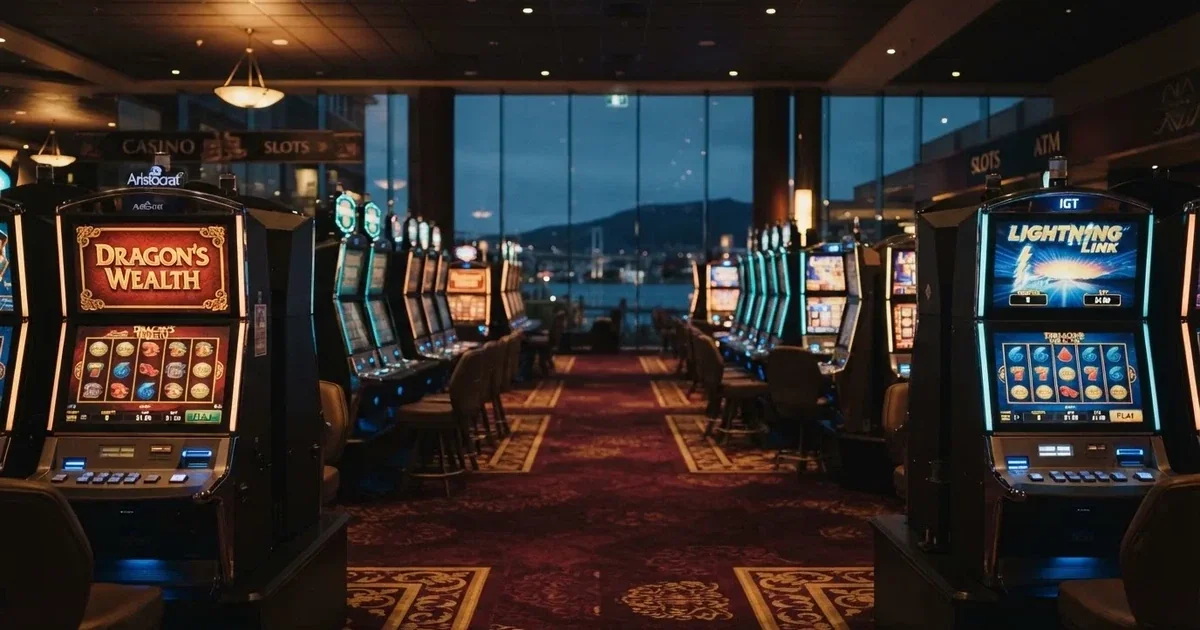
Data current as of $29 October 2026, cross-referenced against the Australian Communications and Media Authority’s register of formal warnings and blocking requests.
Table of Contents
- Pokies paytables and what actually changes when you sit down at a machine
- The criteria that actually separate one venue from another
- The licensed landscape in Tasmania today
- Why online “pokies” are a different product, and why Australians cannot play them
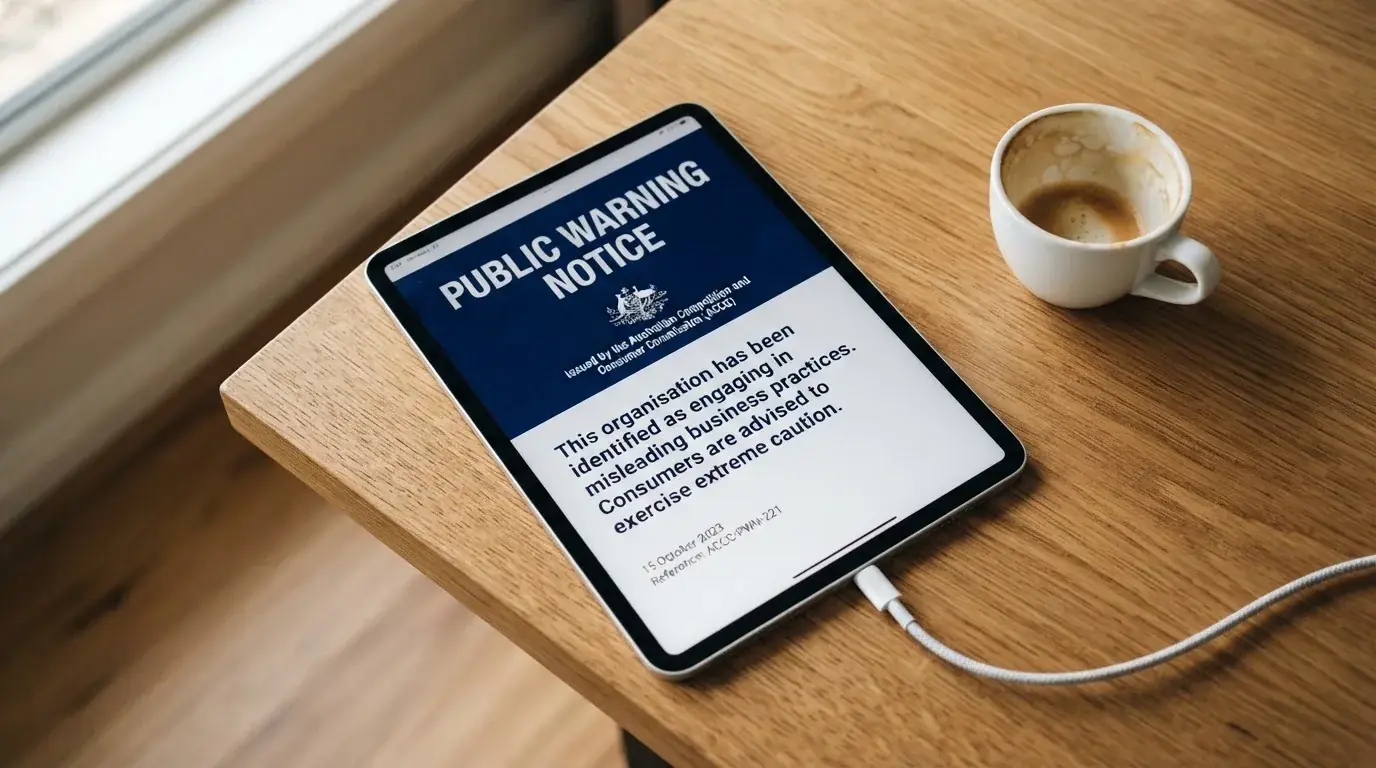
- Offshore sites the ACMA has warned, and the picture those warnings paint
- How Tasmanian rules actually govern what you can do at the venue
- Responsible gambling supports in Tasmania
- The land-based venues, by location
- Cashless cards, payment rails and the cash the floor accepts
- How the H2 Gambling Capital estimate fits alongside the rest
- What the $2026 reform package adds, and what stays unchanged
- The practical shape of the offer, in plain prose
- How to read the ACMA register without being misled by it
- The cashless card in practice, for the player who has not used one
- Where the system is least generous and where the player can see it
- What changes for a venue operating under the cashless mandate
- The economy behind the licensing
- A short note on the comparison with other Australian capitals
- What the reader should do next, in one paragraph
- Frequently asked questions about pokies in Tasmania
Pokies paytables and what actually changes when you sit down at a machine
The mechanical detail of a pokie matters less than a marketing brochure suggests, and more than a casual player assumes. Every approved machine in Tasmania is built around a paytable that the Tasmanian Liquor and Gaming Commission has reviewed and approved, displaying a minimum return-to-player percentage, the maximum stake allowed at the venue, and the rules around bonus features, free-spin rounds and progressive jackpots. The same physical game running in a Hobart pub and a Launceston club carries the same approved software; the variance between venues is in the surrounding rules — cashless card requirements, daily loss ceilings, opening hours — rather than in the spinning reels themselves.

The state-by-state floor on machine returns sits in the eighty-seven to ninety-two per cent band for Australian pubs and clubs, with Tasmania anchoring toward the more generous end of that range for venues that adopt the higher denominations. The actual experience of a session varies because the maths does: a machine returning ninety per cent over an arbitrarily long run can hand out nothing for an hour and then return two bets’ worth in a single bonus round. The house edge is a long-run average, not a guarantee for the next spin.
A player who wants to read the paytable before sitting down can ask any venue staff member for the game’s information screen, which by regulation shows the return percentage, the rules for triggering the bonus and any caps on maximum wins. Tasmania’s venues are required to make this information available in print on request, and the more diligent pubs keep laminated paytable summaries at the bar. For a player with a fixed bankroll, the practical reads are: lower denomination machines return a slightly smaller percentage of every dollar but stretch a session further; higher denomination machines return a tighter percentage but at twice the stake size per spin.
The other detail the brochures skip is volatility — the word used in the industry for how lumpy a machine’s payout pattern is. A low-volatility machine returns small wins often, keeping a bankroll alive for a longer session. A high-volatility machine holds the balance flat for long stretches and pays out in larger clumps, often through a free-spin feature. There is no universal best: a player who values the length of the session should pick low volatility and accept the lower ceiling; a player who wants a shot at a meaningful win should pick high volatility and accept the quiet stretches. The choice is not a strategy that beats the house; it is a choice of how to lose more slowly, or how to chase a larger loss in pursuit of a larger occasional return.
The criteria that actually separate one venue from another
A shortlist of Tasmanian pokie venues can be built in many ways, and most of those ways are not especially useful. A ranking by the number of machines privileges scale over comfort. A ranking by advertised return percentage prioritises a single number that the venues themselves do not really compete on. What actually separates one venue from another, in the way a player with a budget and a Saturday evening cares about, narrows to a handful of practical questions.
The first is whether the venue is part of the cashless gaming card system now in force. Tasmania moved hotel and club poker machines onto mandatory carded play from December 2025, with default loss limits of one hundred dollars a day, five hundred dollars a month and five thousand dollars a year. A player who wants to sit down without enrolling in the card system cannot, at a hotel or club, after that date. A player who wants the limit lifted can apply to raise it, but the application sits for a minimum twenty-four-hour cooling-off period before any change takes effect. The two casinos — Wrest Point and the Country Club — sit outside this carded-play mandate for now; the Commission has set no rollout date for the casino floor.
The second is opening hours. A surprising number of Tasmanian pubs and clubs close their gaming rooms well before midnight, particularly in the smaller towns. The reader who actually wants twenty-four-hour access narrows to a handful of larger venues and the two casinos, both of which run gaming floors well past midnight on weekends.
The third is the comfort of the floor itself. A new generation of Tasmanian hotel gaming rooms has been refurbished over the past five years with brighter seating, larger screens and quieter ventilation; the older pub rooms in the regional centres can feel cramped, particularly at peak times. The aesthetic is not the point, but it is the point that the player spends one or two hours of an evening in the room, and a comfortable chair with a clear sightline to the screen matters more in practice than a marketing photo of a feature wall.
The fourth, and the one players most often overlook, is the staff. Tasmanian venues with a Gamblers Help liaison, visible signage about self-exclusion and floor staff trained to spot distress outperform venues that simply install the required notices on the wall. A venue’s tone about its own machine floor — whether it treats the gaming room as a quiet revenue source or as a service to be managed responsibly — shows in ways a checklist cannot capture.
The fifth is the actual location. Tasmania is not one city. Hobart, Launceston, Burnie, Devonport and the smaller towns along the north-west coast each have their own venue list, and a player who lives in Wynyard is not going to drive two hours to Hobart for a Saturday session. The relevant question is which of the better-run venues sit within an hour of home.
The licensed landscape in Tasmania today
The headline count of pokies in Tasmania is held in two parallel pools. The first is the two casino licences.
| Casino | Location | Opened |
|---|---|---|
| Wrest Point | Hobart | 1973 |
| Country Club | Launceston | 1982 |
Wrest Point Hotel Casino on the Sandy Bay waterfront in Hobart opened on 10 February 1973, making it the first legal casino in Australia and the anchor of Tasmania’s land-based gaming industry ever since. The Country Club Casino and Resort in Launceston opened in 1982, designed in a Georgian style meant to echo the stately homes of the American South and suited to the rural landscape around the upper Tamar. Federal Group operates both venues, as it has through multiple decades, and the family ownership of the group — through its holding company Mulawa Holdings, acquired by the Farrell family in 1989 and privatised in 1990 — is the reason the same operator holds every poker machine licence that matters in the state.
The second pool is the network of hotels and clubs. Until August 2017 Federal Group held an exclusive licence to operate electronic gaming machines outside its two casinos under the Gaming Control Act 1993. It relinquished that monopoly that year, and individual pubs and clubs in the state have since been able to hold their own machine licences, subject to Liquor and Gaming Commission approval. The licensed network has grown steadily since then, and the Commission’s published venue register lists every hotel and club with an active EGMs entitlement, the number of machines on the floor and the venue’s trading hours for gaming.
For a player walking in off the street, the practical shape is simple. The two casinos run the larger floors, more game variety and longer hours; the pub and club network runs the bulk of the state’s poker machines in smaller rooms, closer to home and across more regional centres than the casinos alone could ever cover. Both are lawful under Tasmanian state licence. Both are outside the scope of the Interactive Gambling Act, because neither is offering an online product.
The numbers behind the industry are concrete. In the year to 30 June 2018, Mulawa Holdings reported profit of A$24.4 million on revenue of A$543 million, paying roughly A$75 million in gaming taxes and licence fees to the Tasmanian government; the figures are now several years old but the scale — that the Federal Group umbrella returns the majority of the state’s gaming tax take — has not shifted materially. Tasmania’s state budget continues to lean heavily on poker machine revenue, which gives the licensing structure a political weight the reader can see whenever a reform debate arises.
Why online “pokies” are a different product, and why Australians cannot play them
What an Australian reader meets by typing “pokies” into a search bar is two products that share a name and almost nothing else. The licensed pokie in a Hobart pub or a Wrest Point gaming room is a physical machine in a regulated venue, with a state-approved paytable, on-floor staff and a cashless gaming card limiting play to the limits the player has set. The pokie advertised by an offshore website is a software simulation running on a server outside Australia, paid into through international payment rails and operated by a company with no Australian licence and no obligation to honour any local rule.
The Interactive Gambling Act 2001, strengthened in 2017 by the Interactive Gambling Amendment Act, makes it an offence to provide online casino games, online pokies or in-play betting to a person in Australia. No state or territory issues licences for online casino products. The only gambling products lawful to supply online to Australians are pre-event sports and race wagering, lotteries and keno — and even those are licensed sparingly. The Northern Territory Racing and Wagering Commission oversees fifty-two online bookmakers including Sportsbet, Bet365 and Ladbrokes, licensed there mostly for tax reasons; the Commission has no full-time staff and meets once a month in Darwin.
The prohibition is enforced against the provider, not the player. The Australian Communications and Media Authority investigates, issues formal warnings and directs Australian internet service providers to block illegal sites. As of June 2026, the ACMA had asked ISPs to block one thousand seven hundred and fifty-one illegal gambling and affiliate marketing websites since the first blocking request in November 2019, and more than two hundred and thirty unlicensed gambling services had left the Australian market since enforcement was strengthened in 2017. A single round reported on 26 June 2026 added twelve more names to the block list: 7Signs, ChromaBet, Donbet, Duospin, Freshbet, Slots Gem, Jacks Club, Lucky Start, Pointsbetz, Spinrise, Vinyl Casino and Wildsino.
The pace of enforcement, drawn from the figures cited in the June 2026 ACMA round, settles into a working band. The first blocking request went out in November 2019; by June 2026 the running total sat at one thousand seven hundred and fifty-one sites, which works out to roughly twenty-two blocked sites per month over the eighty-month span — or, in round terms, between two hundred and two hundred and seventy per year. The band is not a forecast; it is a rough indicator of how aggressively the regulator is willing to use its blocking power, and it has trended upward as the ACMA has built out its enforcement infrastructure.
The player is not at risk of criminal prosecution for opening an account. But the player gives up every protection the Australian licensing system offers: there is no Australian complaints body, no recourse if a withdrawal is refused, no guarantee the balance will be paid out before the site is blocked, and no chance the offshore operator will sit in an Australian court if a dispute arises. The licensed product may be less flashy, but it is also the only one sitting under an Australian regulator.
Offshore sites the ACMA has warned, and the picture those warnings paint
The brands below are not reviewed as places to play. They appear here as the regulatory landscape — the companies the ACMA itself has named in formal warnings for offering prohibited services to Australians. The list is built strictly from ACMA publications, and the prohibition underneath the list is the same one named in the previous section. A reader scanning this list is reading the regulator’s own catalogue, not a comparison of where to sign up.
| Brand | ACMA action and date | Operator named by the ACMA | Subject support |
|---|---|---|---|
| RocketPlay | Formal warning, March 2026 | Pulsup Ltd | — |
| Level Up Casino | Formal warning, May 2022 | Dama N.V. | listings-only |
| Woo Casino | Formal warning, March 2025 | Dama N.V. | — |
| Spirit Casino | Formal warning, May 2025 | Dama N.V. | — |
| National Casino | Formal warning, July 2025 | Consolutetish S.R.L. | listings-only |
| Bizzo Casino | Formal warning, July 2025 (Consolutetish S.R.L.); earlier warning, 2022 (TechSolutions) | Consolutetish S.R.L. | — |
| Ignition Casino | Formal warning, July 2025 | Bamboo Media | — |
| Instant Casino | Formal warning, February 2025 | EOD Code SRL | — |
| Jackbit | Formal warning, April 2026 | Ryker B.V. | — |
| Casino Intense | Formal warning, April 2025 | Sterplay Holding Ltd | listings-only |
| Sky Crown | Formal warning, September 2022 | Hollycorn N.V. | listings-only |
Source: Australian Communications and Media Authority, formal warning publications (2017–2026).
The reader who reads the table across, rather than down a single row, sees the regulator’s pattern of behaviour. Several operator names repeat — Dama N.V. carries four of the brands on the list, spread over four years — which tells the reader that rebranding under a new marketing name does not put a site beyond the regulator’s reach once the underlying operator has been warned. Consolutetish S.R.L. and Bamboo Media each appear twice. The ACMA is also willing to revisit a brand it has previously warned; RocketPlay and Bizzo Casino both carry a 2022 warning to an earlier operator and a 2025 or 2026 warning to a current one.
What the table cannot show is how each brand is presented to an Australian player at the moment of searching. The marketing materials change faster than the regulator can warn, and the brand most recently added to the list often disappears under a new name within weeks. A reader who has clicked through an advertorial for any of the above should treat the warning as definitive for the operator, regardless of the brand the page was selling.
How Tasmanian rules actually govern what you can do at the venue
A Tasmanian pokie player does not encounter the law the way a casino-industry observer does; the player encounters the venue’s policy, which is set by the Liquor and Gaming Commission and enforced by venue staff. The two intersect at three practical moments: entry, play and exit.
At entry, identification is required. Every licensed venue in Tasmania must sight a form of photo identification before allowing a person to play a poker machine, and the identification must be recorded against the venue’s daily player register. Players under eighteen are prohibited by law from entering the gaming room at all. A player who has self-excluded cannot enter; the venue’s staff has the register and will refuse entry at the door.
At play, the cashless gaming card mandate applies to all hotel and club machines from December 2025. The card is required; cash is no longer accepted at the machine. The default loss limits that come with the card are one hundred dollars per day, five hundred dollars per month and five thousand dollars per year. A player can apply to lift any of these ceilings, but a minimum twenty-four-hour cooling-off period applies before any increase takes effect — a design intended to slow down impulsive limit-raises. The two casinos, Wrest Point and the Country Club, are not currently subject to the carded-play mandate; the Commission has not set a casino rollout date, and the casino floors continue to operate under the prior arrangements.
At exit, the player takes whatever balance remains on the card and converts it back to cash at the venue’s cashier. The cashless system removes the anonymous-cash loop that older pokie rooms allowed; every session leaves a record on the card, including time spent, total wagered and net outcome, which is available to the player on request and to the venue in the course of its regulatory reporting.
The interactive gambling prohibition operates against a different layer entirely. It governs what an Australian can be offered, not what a Tasmanian venue can host. A player who does not open an offshore account has nothing to navigate under the IGA, because the IGA places its duties on the provider. The reason the prohibition matters to a Tasmanian pokie player is that it determines what the licensed market actually looks like: the choice is between the products state law approves, and not between those products and a parallel online universe.
Responsible gambling supports in Tasmania
The cashless gaming card is the most visible part of Tasmania’s responsible-gambling framework, but it sits inside a wider set of supports that are available whether or not a player has enrolled in the card. The state contracts Gamblers Help services through Anglicare Tasmania, and the dedicated helpline is 1800 858 858 — staffed twenty-four hours a day, free of charge, with confidential phone counselling for anyone affected by gambling in Tasmania. In-person counsellors are based in Hobart, Launceston, Devonport and Burnie, and the same number can arrange a venue self-exclusion for a player who wants to be barred from every Tasmanian pub and club gaming room.
Self-exclusion is supported by the Commission register, and a player who has signed up cannot be let into a participating venue’s gaming room. The register reaches every licensed hotel and club in the state. The two casinos run their own internal self-exclusion arrangements and participate in the national framework through separate arrangements.
The National Self-Exclusion Register, BetStop, has been live since August 2023 and binds every Australian-licensed online and phone wagering service. Its scope does not extend to land-based pokie venues, which is why Tasmania maintains its own venue register; nor does it extend to offshore sites, which is the second reason the cashless card and venue self-exclusion are not substitutes for it. A player who wants to be barred from every gambling product in the country needs to sign up with BetStop and the Tasmanian venue register separately.
For a player who feels their play has moved past entertainment into something harder to manage, the right first call is Gamblers Help on the helpline number above. The service is independent of any venue and staffed by people whose job is to listen, not to sell.
The land-based venues, by location
For a Tasmanian reader, the practical question is what sits within driving distance. The state is small, but the distances between major centres are not, and a Hobart player is not realistically going to drive to Launceston for a Saturday evening out. What follows is a structural look at the venue landscape by region, with the two casinos as anchors and the licensed pub and club network beside them.
Hobart anchors the south. Wrest Point Hotel Casino in Sandy Bay is the state’s flagship venue, operating every day with a full gaming floor, restaurants and hotel accommodation. The licensed pub and club network in greater Hobart carries the bulk of the machines outside Wrest Point, with venues in the inner suburbs, the northern shore and Kingston carrying licensed EGMs under the Gaming Control Act. The exact venue list is published on the Liquor and Gaming Commission’s site and updated as licences change hands; a player who wants the current count for a given suburb should check the register rather than rely on a directory.
Launceston holds the north. The Country Club Casino and Resort sits a short drive from the city centre and operates a comparable product to Wrest Point, with a smaller floor but quieter surrounds. The licensed pub and club network around Launceston is smaller than Hobart’s but covers Burnie and Devonport on the north-west coast, with smaller venues in the towns between. The Commission’s register is again the authoritative source for the current number of machines at each venue.
The north-west and west coast carry fewer venues. Towns such as Wynyard, Ulverstone and Smithton have licensed hotels with gaming rooms, and the regional venues tend to draw a steadier local crowd than the larger centres. For a player on the west coast, Queenstown and Strahan have limited gaming infrastructure; Burnie is the nearest larger centre.
The east coast and the central plateau carry the thinnest coverage. Swansea, St Helens and the inland towns have fewer licensed venues, and a player in those parts is likely to drive either to Hobart or to Launceston for the larger casino floors or to find a pub gaming room in a regional centre.
A reader comparing two venues within a single city should look first at the cashless card enrolment process — how long the queue is at peak times, how the venue handles a temporary limit increase — and second at the floor comfort. The differences in paytable between two Hobart venues are marginal; the differences in how an evening actually feels can be significant.
Cashless cards, payment rails and the cash the floor accepts
The cashless gaming card reform has changed what payment actually means at a Tasmanian pokie venue. Before December 2025, a player walked into a hotel gaming room, fed notes into the machine, and walked out with whatever was left. From December 2025 onward, the machine accepts only the venue’s card, and the card carries the player’s pre-set loss limits. A new player enrolls at the venue’s cashier, links a bank account or a debit card, and tops up the card from there; the card itself does not require a credit card and cannot be linked to one, because credit cards and credit-related products are banned as payment for Australian licensed gambling products.
The deposit rails that flow into the card are the same ones the player already uses elsewhere. Debit cards, bank transfers, PayID and Osko, and BPAY are all available, depending on the venue’s setup. The card balance is held by the venue’s licensed operator and not by a separate payment institution; when a player cashes out, the balance returns to the linked bank account or to the cashier as cash, with the timing set by the venue’s own settlement terms.
For online wagering products that are lawful in Australia — licensed sports and race bookmakers — the deposit rules are set federally. Credit cards, credit-related products and digital currency are banned as payment instruments; the ban took effect on 11 June 2024 and carries penalties of up to A$247,500 for operators. Legal deposit routes for a licensed bookmaker are debit card, bank transfer, PayID and Osko, and BPAY. A licensed bookmaker asking an Australian for a credit card or a crypto deposit is operating outside the Australian rules and should be treated as such.
A payout from a licensed product settles in line with the operator’s own terms. The licensed bookmakers in the Northern Territory — Sportsbet, Bet365, Ladbrokes — publish standard withdrawal times that fall in the one-to-three business-day band for debit cards and bank transfers, with PayID and Osko often settling same-day once the operator approves the withdrawal. For pokie venues, the “payout” question is mostly a non-question, because there is no online withdrawal: the cashless card balance is the settlement, and the player leaves the venue with whatever remains on the card.
The mixed picture — cashless cards in physical venues, debit-only rails for online wagering — is the regulated-payment counterpart to the cash-and-credit underground that the offshore sites represent. A player who keeps their play inside the licensed system is operating within a payment infrastructure designed to make impulse betting harder. A player who steps outside it is stepping into a parallel market with no Australian rails and no Australian protection.
How the H2 Gambling Capital estimate fits alongside the rest
Estimates of the scale of illegal online gambling in Australia are gathered by industry analysts rather than regulators, and the most-cited recent number is from H2 Gambling Capital’s 2025 report. According to that report, Australians lose about A$3.9 billion a year to illegal gambling sites, and the share of gambling going through legal channels fell from seventy-four per cent in 2021 to sixty-four per cent in 2025. The two figures together imply that around A$10 billion a year now goes through legal Australian wagering and lotteries, against A$3.9 billion through illegal channels.
The takeaway is not that the illegal market is bigger than the legal one — it is not — but that its share has grown materially. A 64/36 legal-to-illegal split is the worst Australian ratio in several years and tells the reader what the ACMA blocking programme is up against. Blocking two hundred to two hundred and seventy sites a year, the regulator is keeping pace with the rebrand rate but is not yet bending the curve; if the trend continues, the IGA framework’s deterrence is improving but its enforcement is not yet sufficient to recover the share.
The H2 figure is an industry estimate. It triangulates payment-flow data, ad-tracking figures and published company accounts; it is not audited and the regulator does not endorse it. But it is the only published number of its scale, and it is the number the ACMA cites in its own communications to justify continued blocking activity. A reader who treats the figure as a working estimate rather than a measured total is reading it the way the regulator reads it.
What the $2026 reform package adds, and what stays unchanged
The most recent federal development is the passage of the Interactive Gambling Amendment (Gambling Reform) Bill 2026 through Parliament on 19 August 2026. The Act’s advertising and inducement measures commence from 1 January 2027 — law on the books but not yet in force on a $2026 page. The effect of the commencement will be to tighten what licensed Australian operators can advertise in inducement terms, particularly the sign-up bonuses and “free bet” offers that have proliferated in licensed online wagering.
The reform does not legalise online casino games. The Interactive Gambling Act 2001 prohibition on online casino supply remains intact, and the 2026 reform does not touch that part of the framework. What the reform does is to extend the IGA’s enforcement reach over advertising and inducements by licensed operators, and to bring affiliate marketing into the same regulatory umbrella. The commencement date matters because the new advertising rules will not be enforceable until 2027, which means the 2026 marketing behaviour of licensed operators is the last year of the prior rule set.
For a Tasmanian pokie player, none of this changes anything on the gaming floor. The reform is aimed at licensed online wagering and at the marketing layer surrounding it, not at the venue-based casino and pub product. The cashless card and the venue self-exclusion are state-level instruments and operate regardless of what the federal advertising rules look like.
The bigger long-term question is whether the federal prohibition on online casino ever shifts. The 2026 reform package is not that shift; it is a tightening of the licensed side while the prohibition remains. A reader who heard rumours of Australian online casino legalisation should know that none is on the books as of $2026, and the ACMA’s blocking programme continues to operate as if the prohibition is permanent.
The practical shape of the offer, in plain prose
Strip the marketing away and the offer available to a Tasmanian pokie player in $2026 is simpler than the brochures admit. It is access to a regulated machine, in a regulated venue, with a cashless card that limits the day. Outside that, the choices are opening hours, floor comfort, the size of the gaming room and the quality of the bar that sits beside it. None of these things make a venue “best”; they make one better for one player and another better for another.
For a player who wants the largest selection of games and the longest opening hours, the two casinos serve as the anchors. Both sit outside the cashless card mandate and accept the older payment flow; both run weekend entertainment programmes alongside the gaming floor; both offer hotel accommodation that lets a player who lives outside the city stay late without the drive home.
For a player who wants to walk to a venue from home, the licensed pub and club network is the right pick. The cashless card is already in force, the loss limits are set, and the gaming rooms are smaller and quieter than the casino floors. The pub venue suits a player whose entertainment budget is modest and whose pokie play is one activity among several.
For a player who has reached a point where the play has stopped being fun, the right next move is the Gamblers Help helpline. The number is 1800 858 858, free and twenty-four hours. The same number can arrange a venue self-exclusion for any licensed Tasmanian venue.
How to read the ACMA register without being misled by it
The ACMA’s register of formal warnings is the authoritative catalogue of offshore operators that have been warned for offering prohibited services to Australians. It is also a document that rewards careful reading, because the warning the regulator publishes is not the same as the brand the player saw in an advertorial. The same operator can run several brands over several years, picking up warnings at each step. The brand a reader meets in a search result may have a current warning under a sister brand, a former warning under its own name, or no warning yet because the regulator has not caught up to the rebrand.
The right way to read the register is operator-first. Look at the operator names — Dama N.V., Consolutetish S.R.L., Bamboo Media, EOD Code SRL, Ryker B.V., Sterplay Holding Ltd, Hollycorn N.V., Pulsup Ltd. If an operator appears anywhere on the register, treat every brand that operator runs as a brand the regulator has, in effect, named. The marketing name on the page is not the regulator’s unit of enforcement; the operator is.
A second pitfall is treating the lack of a warning as a clean bill of health. The ACMA’s enforcement is incremental; it warns and blocks as resources allow, and a site that has not yet been named may simply be next on the list. The register is evidence that a brand has been warned, not the absence of warnings as evidence that a brand is safe.
A third pitfall is reading “formal warning” as a soft gesture. A formal warning under the Interactive Gambling Act is a statutory step on the way to civil penalty proceedings or a federal court action. Several operators on the register have moved from warning to litigation within twelve months. The warning is not the regulator’s last word.
The cashless card in practice, for the player who has not used one
For a player who has not used a cashless gaming card, the first session is slightly slower than the older cash-fed flow. The enrolment at the cashier takes a few minutes: photo ID, a debit card or a linked bank account, a signature, and the choice of whether to keep the default loss limits or to apply to raise any of them. If a limit raise is requested, the card is issued with the default limit, and the raise takes effect after the twenty-four-hour wait.
Once enrolled, the card loads at a kiosk or at the cashier, with the load capped at the player’s daily ceiling. The machine reads the card on insert, deducts each spin from the balance and pays out wins back to the card balance. The card can be checked at any time on the machine’s information screen, which shows the running balance, the day’s wagered total and the day’s net result.
The payoff for the slower start is a hard stop. A player who reaches the daily limit cannot keep playing at that venue that day, even if there is cash in their wallet. The card is also the only place the cashless system allows a player to set a personal limit below the default — a player who wants to cap themselves at fifty dollars a day can do so on enrolment, and the limit can be lowered at any time without a cooling-off period. Only raising a limit triggers the twenty-four-hour wait.
The system is designed to make the impulsive decision harder. A player who walks into the gaming room thinking they will play for thirty minutes and spend twenty dollars does not, with the card, end up feeding two hundred dollars in cash over ninety minutes. The friction is the point, and the Commission’s evaluation of the system, when it publishes one, will be read against how that friction has performed.
Where the system is least generous and where the player can see it
The place the cashless card system is least generous is in the default limits themselves. A$100 a day is a modest ceiling by the standards of a player with disposable income; A$500 a month and A$5,000 a year are higher but still well below the amount a player in genuine financial difficulty could lose in an unrestricted session. The argument for the limits is that they are the ceiling the average player should want; the argument against is that they cap the casual player without addressing the at-risk player who would, in any case, raise them.
A player can read the limits as the policy the state has decided is reasonable for the average punter, and then decide how they sit against their own situation. A player who would never have spent A$100 in a day anyway sees nothing change. A player who would have spent A$500 in an unrestricted session now hits the daily ceiling or finds the limit raise process, and the twenty-four-hour wait does some of the work the limit does not.
For the player who wants to read the system at its most generous, the information page on the Commission’s site carries the published rule text and the venue-level guidance. The site also publishes the venue list and the current machine counts. A player who wants to know what a specific venue offers in terms of gaming room opening hours can find it there without calling the venue.
What changes for a venue operating under the cashless mandate
A hotel or club venue operating under the cashless card mandate has to maintain card stock, run the enrolment desk during peak hours, manage the top-up kiosks and report the daily transactions to the Commission. The cost of compliance is real and is one of the reasons some smaller venues have chosen to surrender their gaming entitlements rather than adopt the system. The venue count in the Commission’s register has shifted since the December 2025 mandate, with venues in the smaller regional centres the most likely to have dropped out.
For the player, a smaller venue count means the regional coverage is thinner than it was before the reform. A player in a town that lost its only licensed pub gaming room now drives further for the next venue, or plays at a venue with longer queues for the cashier during peak hours. The reform has improved the rigour of the system at the cost of some of its reach, and a reader comparing the network against its 2017 shape sees the trade-off.
The two casinos have not absorbed the regional losses. Their products are different enough that a player who used to play at a small regional pub is not, in most cases, going to switch to Wrest Point. The casino’s catchment is Hobart and Launceston residents and tourists; the regional pub network served a different catchment. The cashless mandate has, in effect, redistributed play from regional pubs to a slightly more concentrated licensed estate, with the cards as the connective tissue.
The economy behind the licensing
The financial structure of Tasmanian gambling is concentrated in a small number of hands. Federal Group operates both casinos and, until 2017, held the exclusive EGM licence; the Farrell family’s holding company, Mulawa Holdings, carries the equity. The 2017 relinquishment of the EGM monopoly opened the door to the licensed pub and club network, but did not displace the Group’s dominant tax contribution.
In the year to 30 June 2018, Mulawa Holdings reported profit of A$24.4 million on revenue of A$543 million, paying roughly A$75 million in gaming taxes and licence fees to the Tasmanian government. The figures are from a single year and predate both the 2017 relinquishment and the cashless card reform, but the order of magnitude is what readers should hold onto: the Federal Group umbrella accounts for the majority of the state’s gaming tax take, and the cashless card reform does not change the casino side of that picture.
For a player reading the political economy, the implication is that any major reform — a casino rollout of the cashless card, a change to the loss limits, a further relinquishment of any residual monopoly — touches Federal Group’s revenue at the top of the industry and the small venues’ viability at the bottom. The cashless mandate has cost the small venues; the same mandate, were it extended to the casinos, would touch a different order of magnitude. The state has held off on the casino rollout, and the state budget is part of why.
A short note on the comparison with other Australian capitals
The Tasmanian pokie landscape looks different from Sydney’s, Melbourne’s or Brisbane’s because Tasmania licenses two casinos and a small pub-and-club network, while New South Wales and Victoria license thousands of venues. The national scale sits in the larger states: Queensland had twenty-one thousand one hundred and twenty-two gaming machines operating in three hundred and fifty-one venues in October 2023; South Australia had eleven thousand six hundred and seventy-two gaming machines outside Adelaide Casino in four hundred and seventy-one venues in September 2023.
The relevant figures for a Tasmanian reader are not the absolute counts but the regulatory floor. South Australia sets a minimum gaming-machine return-to-player rate of eighty-seven and a half per cent and a general maximum bet of A$5.00 outside the casino; Adelaide Casino itself has no maximum-bet limit. Tasmania’s analogous floors sit in a comparable band, with the Commission’s published guidelines setting the venue-level return rate and the cashless card reform adding per-day and per-month loss caps that no other state has fully matched.
The comparison also helps frame what the cashless mandate is, in national terms. Tasmania is the first Australian state to mandate carded play across its pub and club network; New South Wales has rolled out cashless gaming in stages with a different technical architecture; Victoria has announced a similar reform on a longer timeline. Tasmania is not running an experiment the rest of the country is ignoring — it is running ahead, and the rest of the country is reading what Tasmania learns.
What the reader should do next, in one paragraph
A reader who has decided to play pokies in Tasmania in $2026 is choosing between Wrest Point in Hobart and the Country Club in Launceston for the casino experience, and the licensed pub and club network for the walk-to-home alternative. Cashless cards and venue-level loss limits apply at the pubs and clubs; the casinos sit under the older payment arrangements. Cash cannot be fed into a pub or club machine; the card is the only way in. For a player whose budget cannot survive the default limits, the right move is to play at the casinos; for a player who wants the discipline of the limits, the pub and club network is the better pick. For a player who has decided the play needs to stop, the helpline is 1800 858 858 and the venue self-exclusion can be arranged through the same number.
Frequently asked questions about pokies in Tasmania
Which venues in Tasmania are licensed to operate pokies?
Tasmania licenses two casinos — Wrest Point in Hobart and the Country Club in Launceston — both operated by Federal Group under state casino licences dating to 1973 and 1982 respectively. Outside the casinos, every licensed hotel or club running poker machines holds a Gaming Control Act entitlement issued by the Tasmanian Liquor and Gaming Commission. The Commission’s published register lists every active venue with the number of machines on the floor and the venue’s gaming hours. Federal Group held an exclusive EGM licence until August 2017, when it relinquished the monopoly and individual pubs and clubs became eligible to hold their own machine licences.
Are pokies in Tasmania available around the clock?
Not as a rule. The two casinos run gaming floors well past midnight on weekends and through the early morning hours on busy nights; the larger Hobart and Launceston hotels with gaming rooms stay open later than smaller regional pubs, several of which close their gaming rooms well before midnight. A player who actually wants twenty-four-hour access narrows to Wrest Point, the Country Club and a handful of larger city hotels; smaller-town venues close in line with their liquor licence. The Commission’s register is the authoritative source for a specific venue’s trading hours, and a player planning a late session should check the register rather than rely on a directory.
What identification do venues in Tasmania require before letting someone play pokies?
Every licensed venue must sight a form of photo identification before allowing play, and the sighting must be recorded against the venue’s daily player register. Minors — anyone under eighteen — are prohibited by law from entering the gaming room and cannot be admitted under any circumstances. From December 2025, hotel and club venues have moved to mandatory carded play under the cashless gaming card reform, which means identification is also required to enrol in the card system at the cashier; the enrolment links the player to the card’s loss limits and to the venue’s self-exclusion register. A player with a venue-level self-exclusion cannot be admitted and will be refused entry at the door.
Can visitors to Tasmania use self-exclusion schemes at local pokies venues?
Yes. The Tasmanian venue self-exclusion scheme covers every licensed hotel, club and casino in the state, and a visitor can enrol through any participating venue or by calling the Gamblers Help helpline on one eight hundred zero eight five eight eight five eight. Enrolment is registered with the Commission and bars the player from every venue that participates in the scheme. The BetStop National Self-Exclusion Register covers licensed Australian online and phone wagering services but does not extend to land-based pokie venues, which is why Tasmania maintains its own venue register. A player barred under BetStop is not automatically barred from Tasmanian venues, and vice versa; the two systems sit alongside each other rather than substituting for one another.
How does the payout percentage on Tasmania pokies compare with other Australian cities?
Pokie payout percentages in Australian pubs and clubs sit in a roughly eighty-seven to ninety-two per cent band, with Tasmania anchoring toward the more generous end for venues that adopt higher denominations. South Australia publishes a minimum return rate of eighty-seven and a half per cent and a general maximum bet of A$5.00 outside the casino; Adelaide Casino itself has no maximum-bet limit, and the casino product returns a tighter average than the pub product. Tasmania’s analogous floors sit in a comparable band and the cashless card reform has not changed the return rates. The headline payout percentage is set by the game, not the venue, and any two machines running the same approved software return the same percentage regardless of which pub they sit in.
Is it legal for an online casino to advertise “pokies” in Tasmania the same way a pub or club does?
No. The Interactive Gambling Act 2001, strengthened in 2017, makes it an offence to provide online casino games, online pokies or in-play betting to anyone in Australia, and no state or territory licenses online casino products. What the law permits to be advertised online is wagering on races and sport placed before the event, lotteries and keno — in practice licensed by the Northern Territory for the larger online bookmakers. The ACMA enforces the prohibition against the provider; the individual player is not at risk of prosecution, but the player’s balance is not protected by any Australian regulator and the site can be blocked by ISPs with the balance still on it. The Interactive Gambling Amendment (Gambling Reform) Bill 2026 adds advertising and inducement rules that commence on 1 January 2027, but it does not change the underlying prohibition on online casino supply.